 ENG
ENG
 INA
INA
Udayana University, Faculty of Veterinary Medicine Strengthens Internal Coordination to Enhance Institutional Performance and Student Achievements
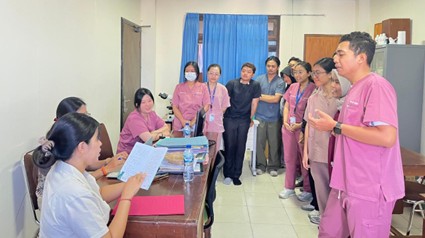
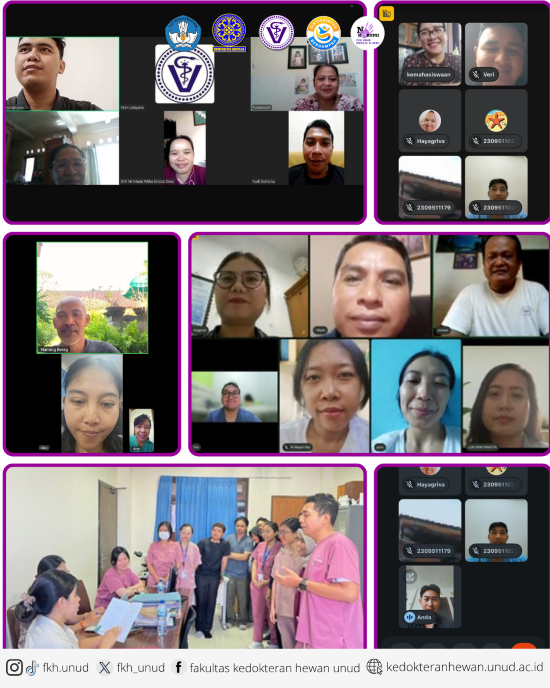
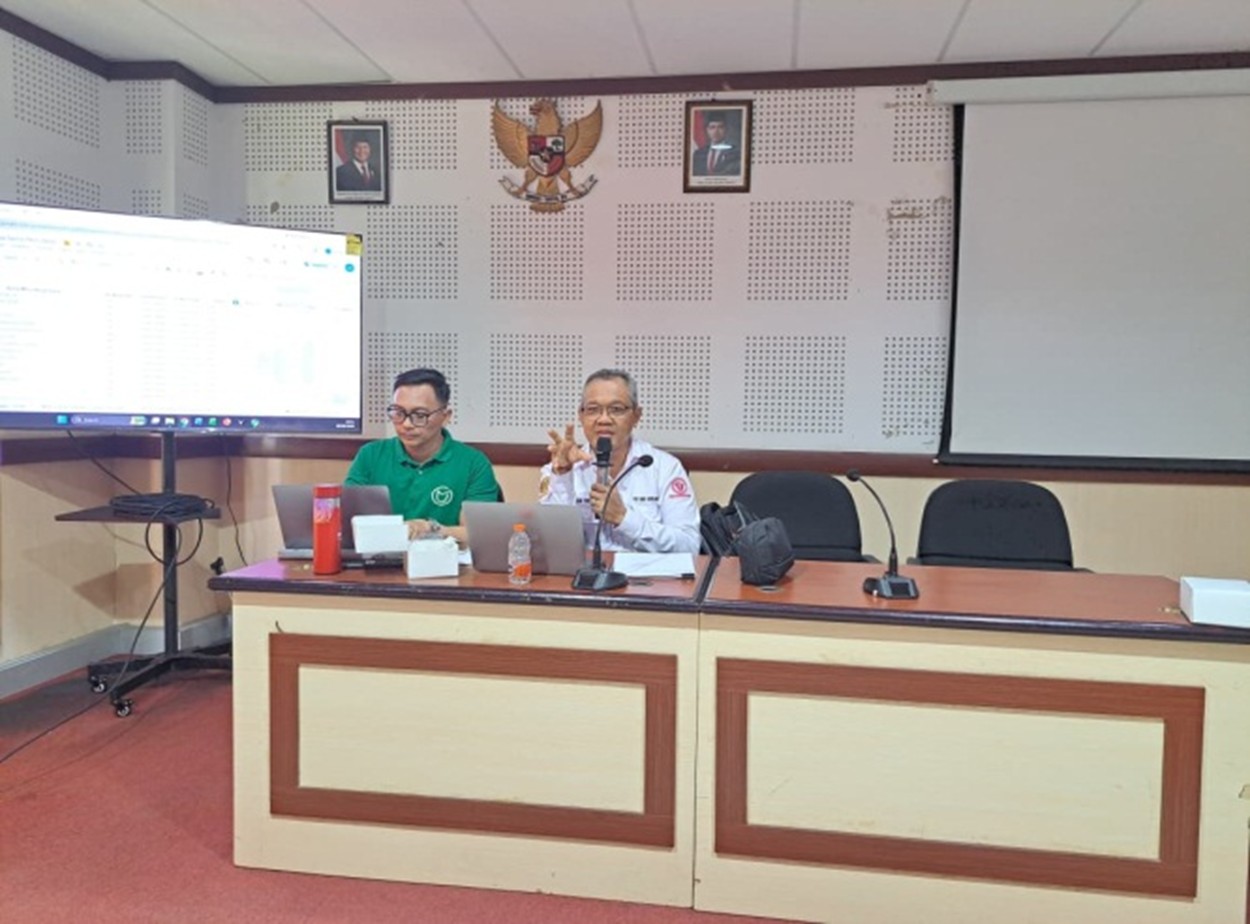
Denpasar – The Faculty of Veterinary Medicine, Udayana University (FVM Udayana), continues to intensify cross-sector internal coordination as part of its strategic efforts to improve institutional performance and promote sustainable student achievement. This coordination meeting was conducted online on May 22, 2026.
In the academic sector, coordination activities focused on discussing various challenges frequently encountered in the implementation of academic programs. Through this forum, relevant stakeholders sought to formulate appropriate solutions to support the optimization of the learning process and academic governance within the faculty.
Meanwhile, in the student affairs sector, the meeting, led by the Sub-Coordinator, emphasized the importance of improving student achievements in both completed and ongoing activities. These efforts are considered to have a significant contribution to the achievement of the Dean’s Key Performance Indicators (IKU’s), as outlined in the Performance Agreement between the Dean of FVM Udayana and the Rector.
During the meeting, several strategic points were discussed, including strengthening the student activity data management system through the Simponi Padi platform. The collected data include assignment letters for students and lecturers, activity certificates, documentation of award presentations, statements from organizers, as well as activity links. In addition, it was agreed that every data input process must be accompanied by an additional statement letter from the organizing committee. The discussion also covered aspects of activity reporting, particularly in fulfilling financial administrative requirements through the submission of Accountability Reports (SPJ).
In the planning and information sector, the coordination meeting reported several key achievements, including the completion of the Action Plan (Renaksi) based on the Dean’s Performance Agreement (PK), which has been uploaded to the rectorate’s planning system. Furthermore, data regarding lecturers’ involvement in policy-making (IKU 8) have been submitted to the relevant parties. Publications of activities through the official FVM Udayana website are also continuously carried out as part of transparency and information dissemination. Meanwhile, the preparation of the Dean’s performance achievement report is currently still in the data collection stage by the FVM Udayana IKU team.
In the general and finance sector, the discussion forum was utilized to identify various challenges in the implementation of routine tasks and to formulate collective solutions aimed at improving the effectiveness and efficiency of administrative services.
In addition, the Jumat Minum Teh (JMT) activity in the Internal Block served as a platform for evaluating the implementation of the clinical clerkship (co-assistantship) program, which was held at the Sudirman Campus. During this activity, students provided testimonials regarding the implementation of the Computer-Based Test (CBT) and the Objective Structured Clinical Examination (OSCE), as well as constructive feedback on the requirements needed to better prepare for examinations.
Through strengthening cross-sector coordination, FVM Udayana reaffirms its commitment to enhancing the quality of education delivery, institutional governance, and the continuous development of student potential.
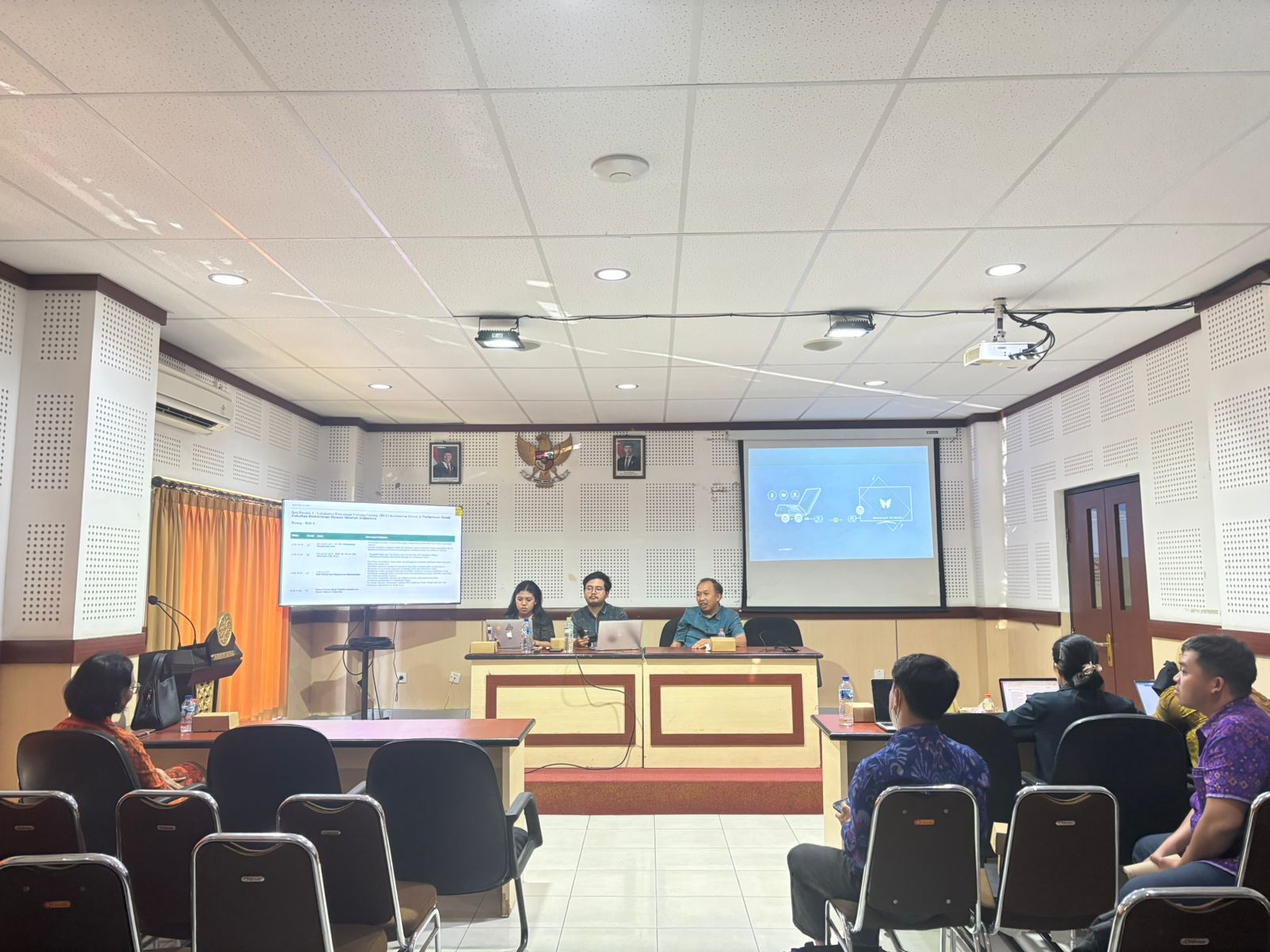
Specifically, the meeting also discussed strengthening preparations for the Veterinary Professional Program Student Competency Examination (UKMPPDH). Several strategic measures were formulated, including the need to conduct intensive internal Computer-Based Test (CBT) tryouts, as implemented in various other universities, to improve students’ ability to answer questions, enhance focus, and build technical readiness. In addition, students are expected to achieve a minimum score of 80 before being allowed to register for the UKMPPDH.
Furthermore, it is necessary to map students who require special guidance, particularly in communication skills during the Objective Structured Clinical Examination (OSCE). In terms of facilities and infrastructure, increasing the number of computers and examination rooms has become a key priority, including through support from the university. The current limitations in facilities have affected the examination process, as the limited number of computers often requires CBT to be conducted in multiple sessions within a single day, which in turn becomes a consideration for central supervisors when assigning duties at Udayana University. In addition, the importance of student orientation prior to the OSCE was emphasized, particularly for those who require special attention, so that they can receive structured and continuous guidance.
In discussions related to Clinical Co-Assistantship (Kodil), it was agreed that the development of Kodil CBT through the OASE platform is necessary as part of strengthening the evaluation system. The establishment of a minimum passing grade of 80 is also required for students to be eligible to take the Kodil examination. Moreover, the preparation of a Kodil Handbook and Daily Logbook is considered essential to support the learning process and ensure more structured monitoring of student activities.
Through strengthened cross-sector coordination, the Faculty of Veterinary Medicine, Udayana University, reaffirms its commitment to improving the quality of education delivery, institutional governance, and the sustainable development of student potential.
Gallery
UDAYANA UNIVERSITY