 ENG
ENG
 INA
INA
Udayana University Faculty of Veterinary Medicine Strengthens Integrity Zone Development through Governance and Public Service Assistance
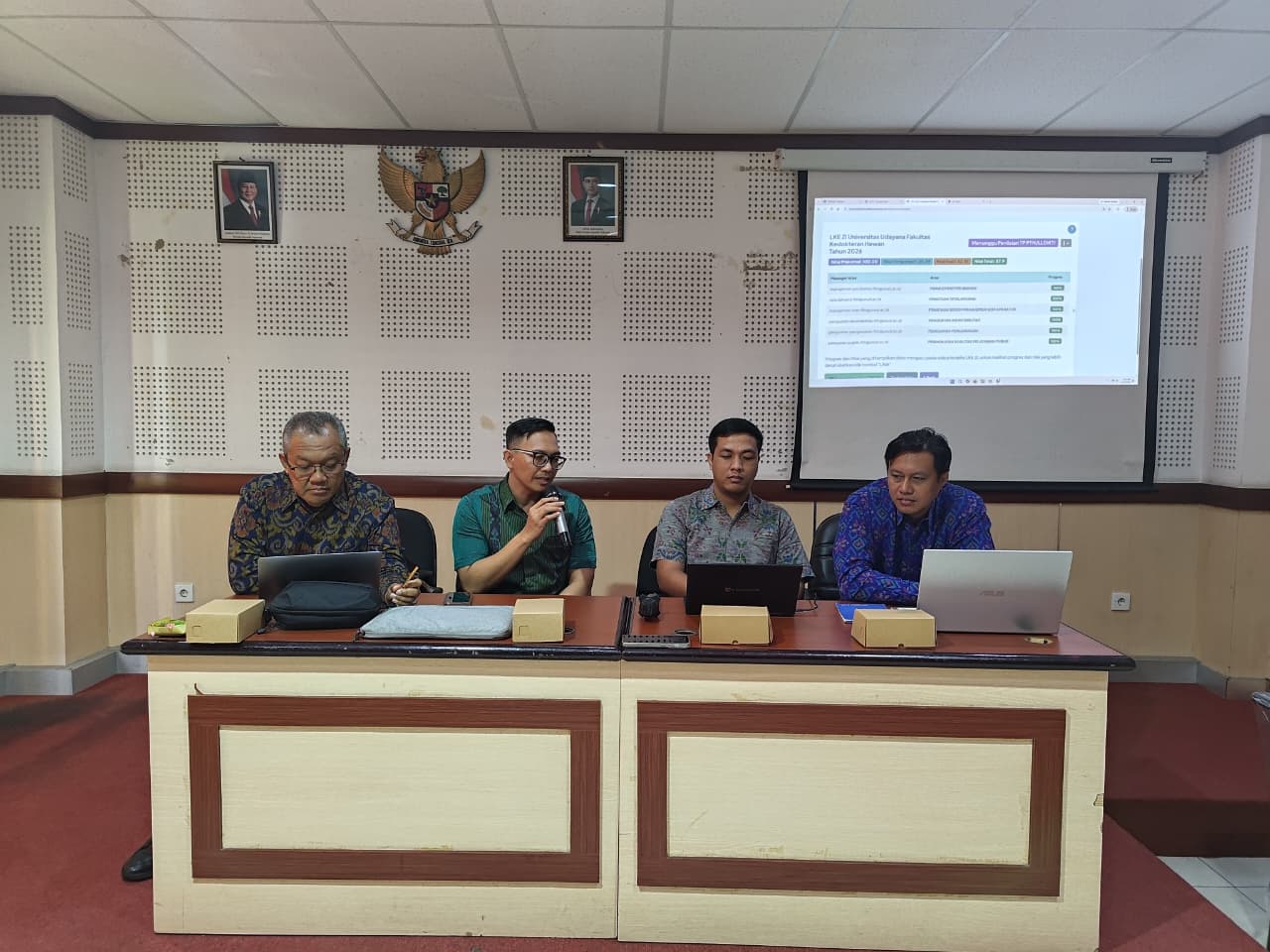
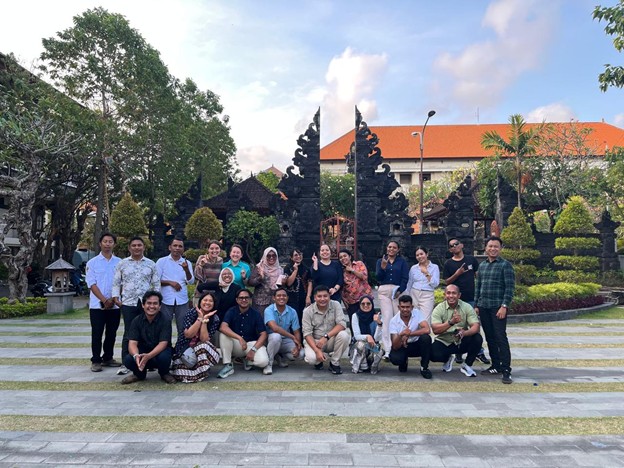
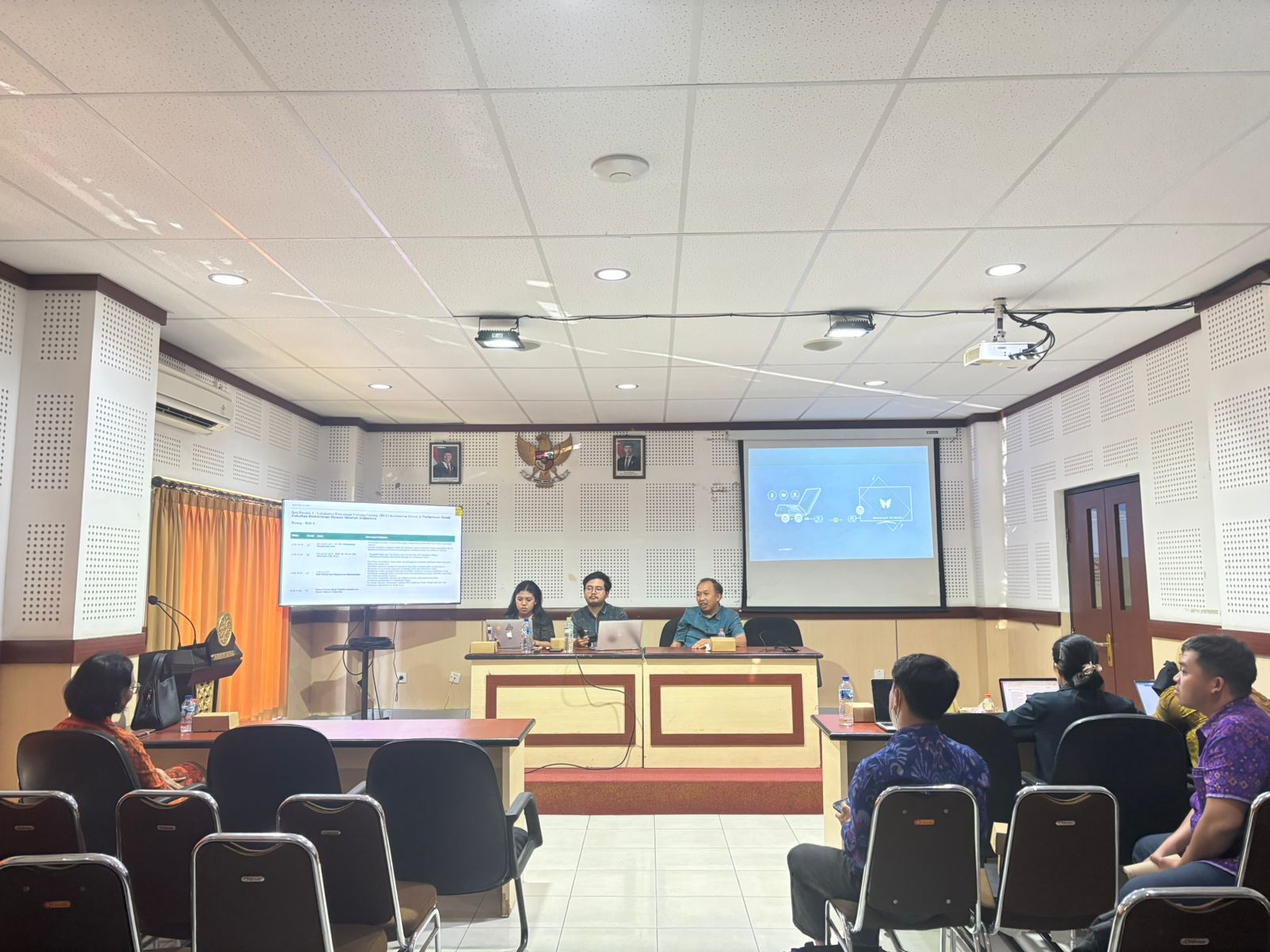
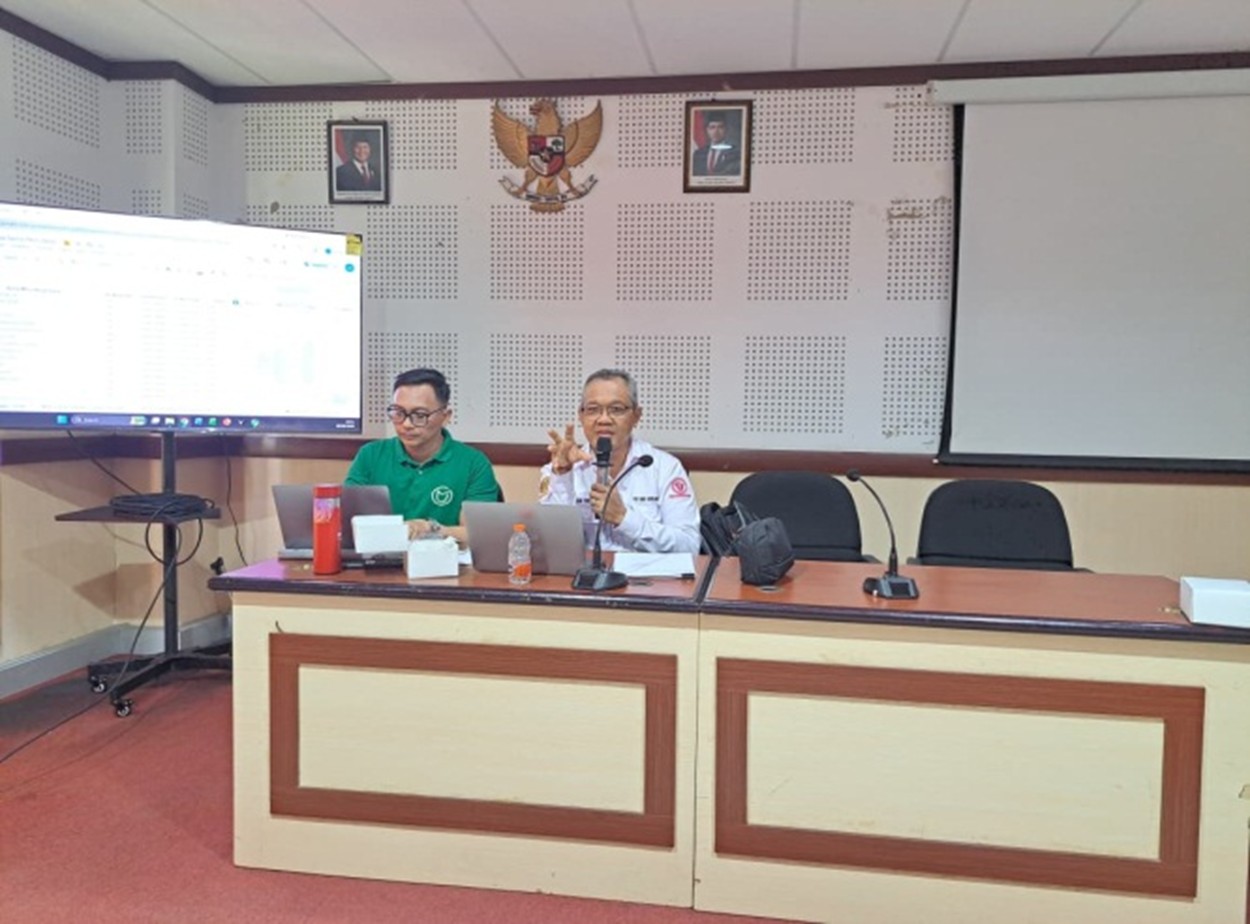
Denpasar, June 30, 2026 – The Faculty of Veterinary Medicine (FVM), Udayana University, continues to demonstrate its commitment to promoting clean, accountable, and public service-oriented governance through an Integrity Zone (ZI) Development Assistance Program, held at the Meeting Room on the first floor of the Faculty of Veterinary Medicine Building, Sudirman Campus. The program featured resource persons from Udayana University who provided guidance and conducted evaluations on the implementation of the Integrity Zone, particularly in the areas of governance and public service quality improvement.
The program commenced with opening remarks expressing appreciation to the assistance team for sharing their expertise and providing valuable insights to the Faculty. The mentoring sessions focused on two areas identified as requiring further improvement based on previous evaluations, namely governance and public services.
In his remarks, the Dean of the Faculty of Veterinary Medicine, Udayana University, emphasized that the development of an Integrity Zone is a continuous process that cannot be achieved instantly. He explained that achieving higher evaluation scores is not the ultimate objective; rather, such results are a reflection of sustained improvements in organizational culture, mindset, and the collective commitment of the academic community to delivering better services.
"The Integrity Zone is built through consistent, incremental improvements—from discipline and punctuality to fostering innovation in every service we provide. As this culture develops, service quality will improve, and the assessment results will naturally follow," the Dean stated.
The Dean further stressed that the success of the Integrity Zone initiative is not solely the responsibility of the leadership or a particular team. Instead, it requires the active participation of all lecturers, administrative staff, and every work unit within the Faculty.
During the mentoring session, the resource persons presented key aspects of Integrity Zone development, ranging from strengthening leadership commitment and improving supporting documents to ensuring effective implementation in daily practices. They emphasized that the success of an Integrity Zone should not be measured merely by the completeness of documentation, but also by how effectively policies are implemented and how significantly they contribute to improving service quality.
Several important topics were discussed during the program, including the preparation and evaluation of Standard Operating Procedures (SOP’s) aligned with institutional business processes, the development of digital service innovations, the optimization of the Electronic-Based Government System (SPBE), the enhancement of public information disclosure through the Information and Documentation Management Officer (PPID), the regular implementation of Community Satisfaction Surveys and Anti-Corruption Perception Surveys, as well as the fulfillment of other Integrity Zone assessment indicators.
The resource persons also highlighted the importance of fostering a culture of continuous evaluation. Every innovation and service improvement should not only be well documented but also supported by evidence of implementation, evaluation, and follow-up actions that demonstrate measurable improvements in service quality over time.
The discussion was conducted interactively, allowing the Faculty's Integrity Zone team to address various challenges related to document preparation, the implementation of service innovations, and strategies for achieving optimal scores in each assessment area. The resource persons also shared practical solutions based on their experience in assisting other faculties that have successfully earned Integrity Zone recognition.
Through this program, the Faculty of Veterinary Medicine, Udayana University, reaffirmed its commitment to continuously improving organizational governance and public services. The mentoring initiative is expected to serve as a strategic step toward strengthening the implementation of the Integrity Zone while fostering a professional, transparent, accountable, and stakeholder-oriented work culture.
UDAYANA UNIVERSITY