 ENG
ENG
 INA
INA
Udayana University’s Faculty of Veterinary Medicine and Badung Regency Government Promote Tourism Food Self-Sufficiency Through Farm Animal Welfare
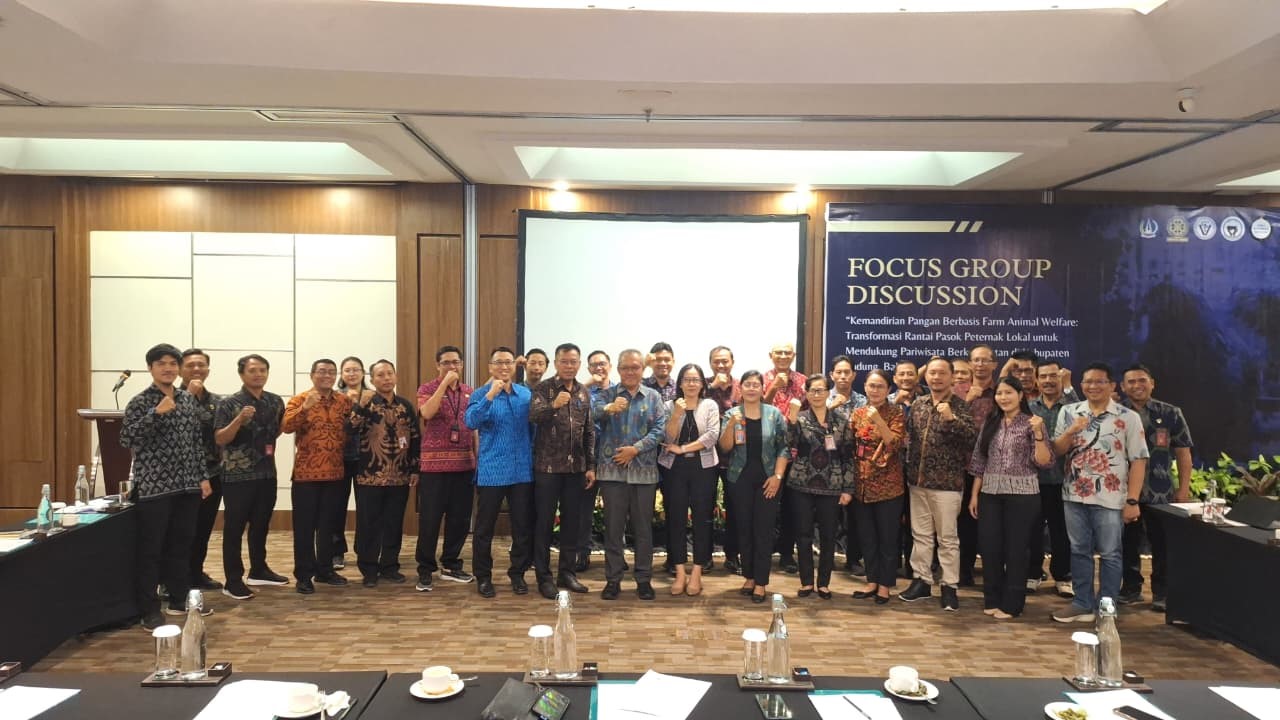
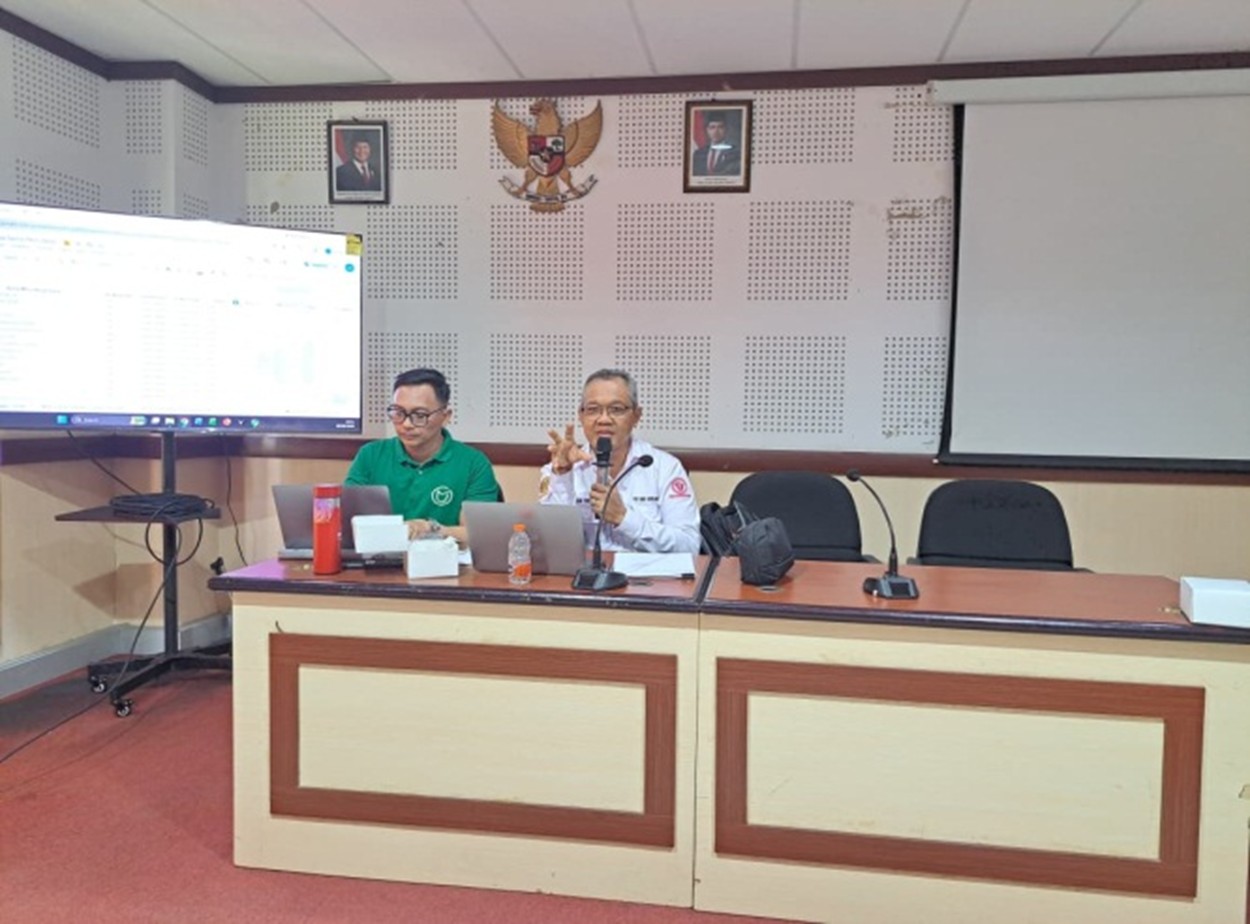
Badung, June 4, 2026 – In an effort to strengthen food security and food safety based on Farm Animal Welfare (FAW) principles while supporting sustainable tourism in Badung Regency, the Animal Welfare Assistance, Training, Research, and Assessment (AWATARA) Center of the Faculty of Veterinary Medicine (FVM), Udayana University, in collaboration with the Badung Regency Agriculture and Food Agency, organized a Focus Group Discussion (FGD) to discuss a policy brief entitled “Food Self-Sufficiency Based on Farm Animal Welfare: Transforming Local Livestock Supply Chains to Support Sustainable Tourism in Badung Regency, Bali.”
The FGD, held on Thursday (June 4) at Golden Tulip Jineng Resort, was attended by representatives from the Badung Regency Agriculture and Food Agency, the Center for Agricultural Application and Modernization (BRMP), the Badung Regency Tourism Office, the Badung Regency Cooperatives, SMEs, and Trade Office, the Badung Regency Community and Village Empowerment Office, the Regional Secretariat’s Cooperation Division, Mangu Giri Sedana Regional Food and Market Enterprise, the AWATARA Team of the Faculty of Veterinary Medicine, Udayana University, Prof. I Gusti Ngurah Parikesit Widiatedja, S.H., M.Hum., LL.M., Ph.D. from the Faculty of Law, Dr. I Gusti Ngurah Widyatmaja, S.ST.Par., M.Par. from the Faculty of Tourism, the Institute for Research and Community Service (LPPM), the Information and Cooperation Management Unit (UPIKS) of the Faculty of Veterinary Medicine, heads of study programs within the faculty, and the Merdeka Belajar Kampus Merdeka (MBKM) Coordinator.
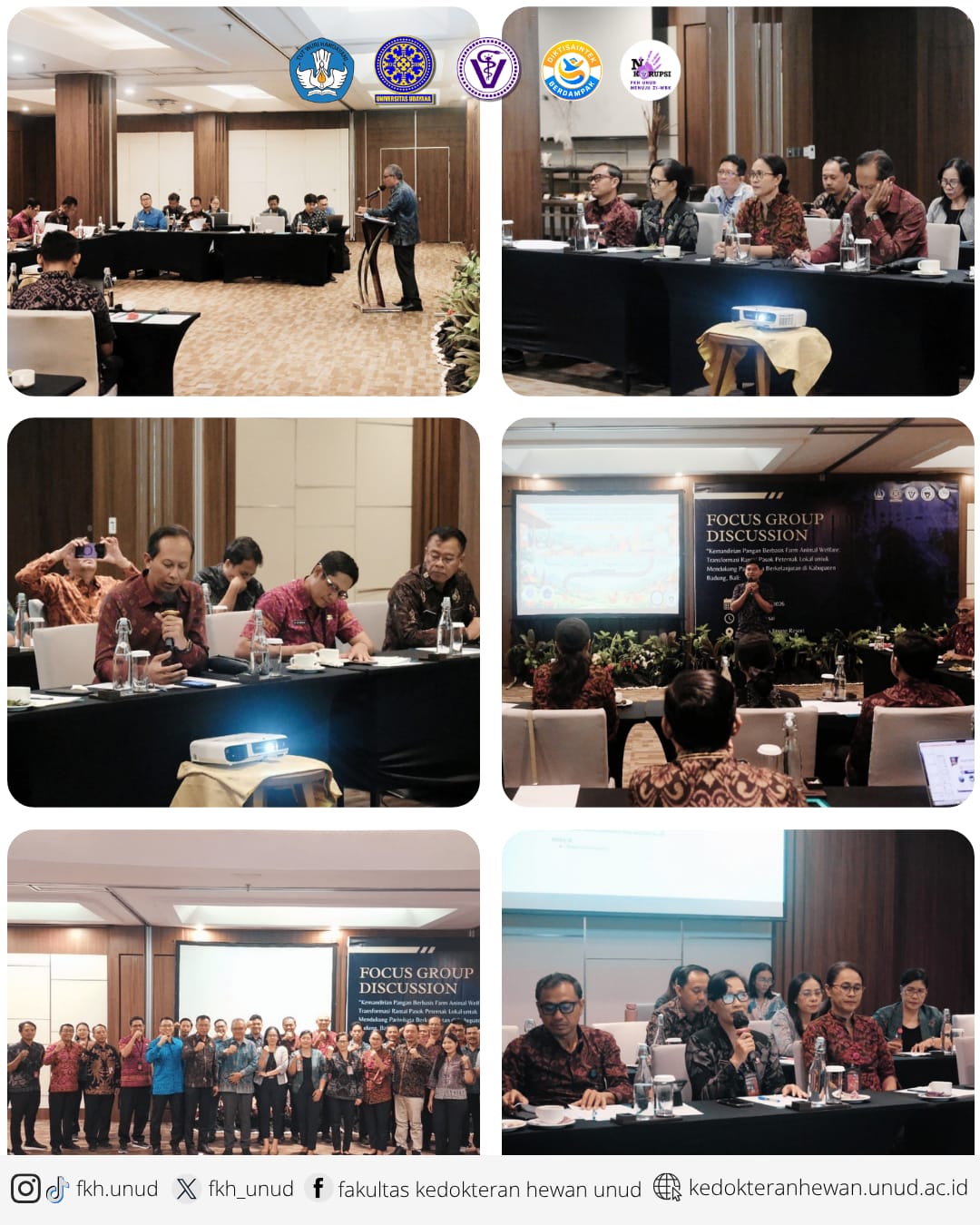
The event was officially opened by the Dean of the Faculty of Veterinary Medicine, Prof. Dr. drh. I Gusti Ngurah Sudisma, who reaffirmed the faculty’s commitment to supporting the development of high-quality, safe, and sustainable local animal-based food products. The discussion continued with a presentation of the policy brief by Dr. drh. Kadek Karang Agustina, M.P., Head of AWATARA.
In her presentation, Dr. Agustina explained that AWATARA focuses on research, training, assistance, and assessment related to animal welfare and is supported by the international non-governmental organization World Animal Protection (WAP). She emphasized that Farm Animal Welfare is not merely an ethical approach to animal husbandry but also a scientific and economic strategy for producing safe, high-quality food products with greater market value.
“The objective of this FGD is to promote food self-sufficiency based on Farm Animal Welfare principles and to provide the foundation for policies that encourage farmers, livestock producers, business actors, and village enterprises to produce food products that are safe, sustainable, and welfare-oriented. Strengthening local food self-sufficiency will ultimately contribute to the development of sustainable tourism in Badung Regency,” she stated.
One of the most prominent examples highlighted during the discussion was the success of Ulu Farm, a village-owned enterprise (BUMDes) in Pecatu. The farm has successfully implemented a certified FAW-based egg production system and supplies premium-quality eggs to several luxury hotels in Bali. Its products are highly appreciated for their freshness, quality, and food safety standards while also generating significant economic benefits for local farmers.
Participants agreed that the tourism sector’s dependence on imported premium livestock products remains a challenge that should be addressed. Badung Regency possesses considerable potential to meet this demand through the empowerment of local farmers and the adoption of livestock production systems that comply with animal welfare standards.
Representatives from the Badung Regency Tourism Office noted that the tourism industry is increasingly prioritizing sustainable, safe, and high-quality food products. Consequently, FAW-certified products have strong potential to become an integral part of the supply chains of hotels, restaurants, and other tourism-related businesses.
Meanwhile, the Badung Regency Cooperatives, SMEs, and Trade Office emphasized the importance of strengthening farmers’ capacity to recognize and capitalize on the added value of welfare-based livestock products. Many farmers, they noted, are still unaware that products produced under animal welfare standards can command significantly higher market prices when supported by proper certification and branding.
The Agriculture and Food Agency also highlighted that the development of FAW-based livestock farming aligns with regional food security objectives. Beyond serving the tourism market, high-quality eggs and other livestock products could contribute to community nutrition programs targeting vulnerable groups such as children, pregnant women, and older adults.
Several participants also highlighted the proven success of cage-free farming systems. Beyond improving animal welfare, such systems are associated with reduced stress levels, stronger natural immunity, and safer products with minimal chemical or antibiotic residues. Economic analyses presented during the discussion indicated that cage-free systems can generate higher revenues and significantly greater net profits compared to conventional production systems.
From a legal perspective, Prof. I Gusti Ngurah Parikesit Widiatedja emphasized the importance of strengthening policy legitimacy through regional regulations that are aligned with national laws and international standards related to animal welfare and food safety. He stressed that Farm Animal Welfare has become a global concern and is increasingly linked to sustainable development goals and international trade frameworks.
Dr. I Gusti Ngurah Widyatmaja from the Faculty of Tourism further highlighted the importance of establishing an effective supply chain governance system that connects local producers with tourism markets. Product certification, comprehensive producer databases, and collaboration among stakeholders were identified as key factors in increasing market confidence in locally produced FAW-certified products.
The discussion also generated several policy recommendations, including the development of pilot FAW livestock projects through village-owned enterprises (BUMDes), the provision of start-up funding for farmer groups, strengthening certification mechanisms, expanding market access, and enhancing collaboration among government institutions, academia, and industry. Participants additionally stressed the importance of creating supportive regional policies that encourage greater utilization of locally produced FAW-certified products within the tourism sector.
The insights and recommendations gathered during the FGD will be incorporated into the final policy brief to be submitted to the Badung Regency Government. Through continued collaboration between universities, government agencies, industry stakeholders, and local communities, the Farm Animal Welfare initiative is expected to enhance farmer welfare, improve the quality of local food products, strengthen regional food self-sufficiency, and support the realization of sustainable tourism in Badung Regency.
Gallery
UDAYANA UNIVERSITY