 ENG
ENG
 INA
INA
Strengthening Sustainable Quality Assurance, Udayana University's Master of Veterinary Medicine Study Program Undergoes Post-Accreditation Monitoring and Evaluation
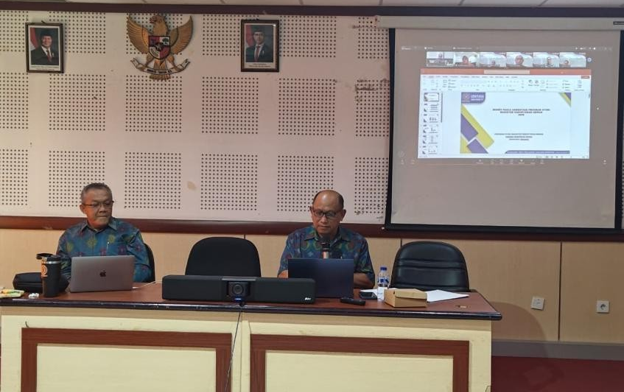
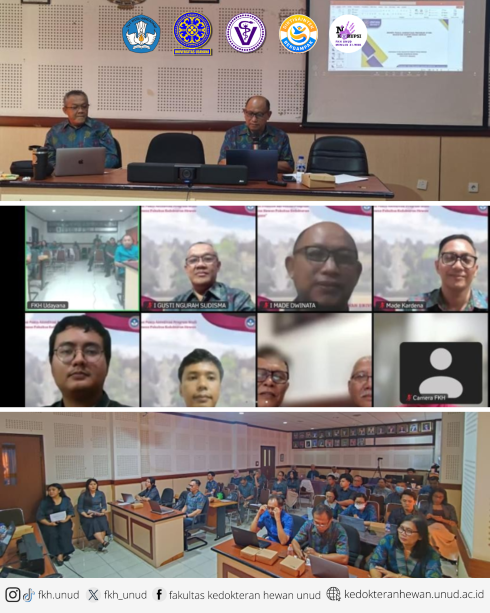
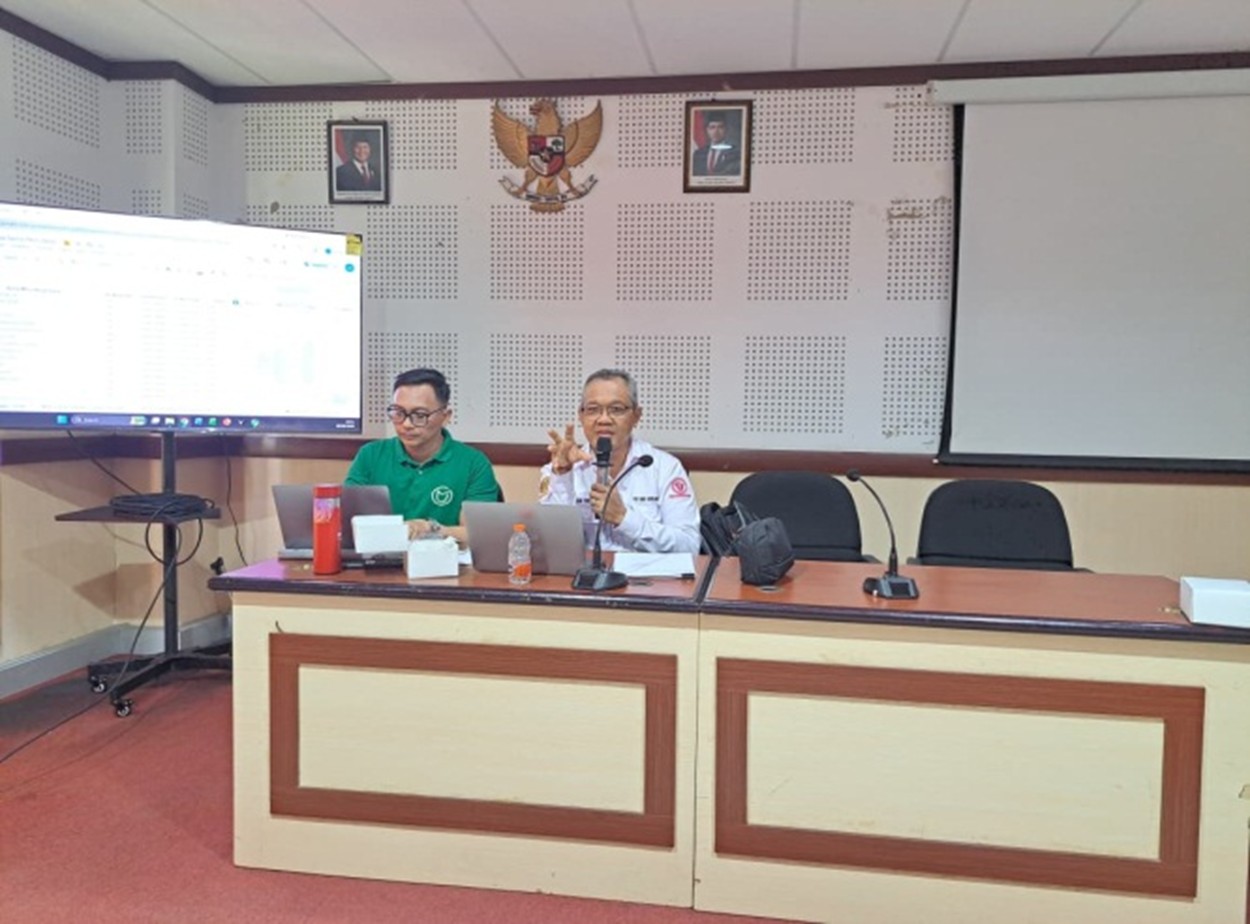
Denpasar, July 1, 2026 – The Master of Veterinary Medicine Study Program, Faculty of Veterinary Medicine, Udayana University, conducted a Post-Accreditation Monitoring and Evaluation (Monev) as part of its continuous commitment to maintaining and enhancing the quality of higher education. The activity was held onsite at the First Floor Meeting Room of the Faculty of Veterinary Medicine, Sudirman Campus, while also being attended online via Zoom Meeting.
The event was officially opened by the Dean of the Faculty of Veterinary Medicine, Udayana University, and continued with a presentation by the assessor, Prof. drh. Tutik Wresdiyati, Ph.D., AHVet(K)., who explained the implementation of the post-accreditation monitoring and evaluation based on the latest accreditation instrument consisting of eight assessment criteria.
During the session, the Head of the Master of Veterinary Medicine Study Program presented the program's achievements over the past three years. The study program has successfully maintained its academic excellence, as demonstrated by the continuous increase in lecturers' research productivity, the publication of 95 international and 301 national scientific papers, and the implementation of 25 community service programs integrated into the teaching and learning process.
The quality of graduates has also remained outstanding. All graduates over the past three years achieved a Grade Point Average (GPA) ranging from 3.78 to 4.00. The study program is supported by 40 academic staff members, the majority of whom hold the rank of Professor, while the minimum academic position is Lecturer, ensuring the delivery of high-quality education.
During the evaluation session, the assessor provided several recommendations to further improve the quality of the study program. One of the main issues discussed was the decline in new student enrollment in 2025. In response, the Head of the Study Program explained that the decrease was influenced by the growing number of universities offering similar master's programs, as well as the absence of an online learning system.
As a follow-up, the study program plans to strengthen its promotional activities and develop various strategies to attract prospective students. The faculty also intends to provide opportunities for students enrolled in the Doctor of Veterinary Medicine Study Program (DVM Program) who have completed at least 50 percent of their professional training to continue their studies at the master's level. In addition, a fast-track program will be developed for seventh-semester undergraduate students to create a more efficient academic pathway.
The assessor also recommended improvements in several areas, including student services, the new student admission system, and the strengthening of internal monitoring and evaluation mechanisms. These recommendations include the development of Standard Operating Procedures (SOP’s) for academic counselors, the regular implementation of internal audits on the student admission process, and better documentation of follow-up actions resulting from previous evaluation activities.
In the academic sector, the study program reaffirmed its commitment to continuously improving its curriculum based on the Outcome-Based Education (OBE) approach. The curriculum is reviewed every two years, while the Semester Learning Plan (RPS) is evaluated annually to ensure its alignment with scientific developments, workforce demands, and higher education regulations.
Other quality indicators were also highlighted during the monitoring and evaluation process, including research management, scientific publications, community service, student achievements, international recognition of academic staff, and the strengthening of the Internal Quality Assurance Audit (AMI) system. These efforts reflect the study program's strong commitment to maintaining educational excellence through a culture of continuous evaluation and quality improvement.
Through this Post-Accreditation Monitoring and Evaluation, the Master of Veterinary Medicine Study Program, Faculty of Veterinary Medicine, Udayana University, reaffirmed its commitment to continuously enhancing the quality of education, research, and community service. The recommendations provided by the assessor are expected to serve as a foundation for the program's future development strategies, enabling it to produce outstanding, adaptive, and globally competitive graduates.
Gallery
UDAYANA UNIVERSITY