 ENG
ENG
 INA
INA
FVM UNUD Strengthens Synergy with the Badung Agriculture and Food Security Office to Develop Partner Villages and Control Rabies
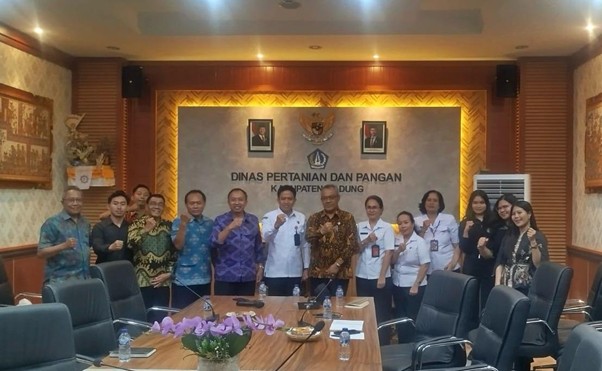
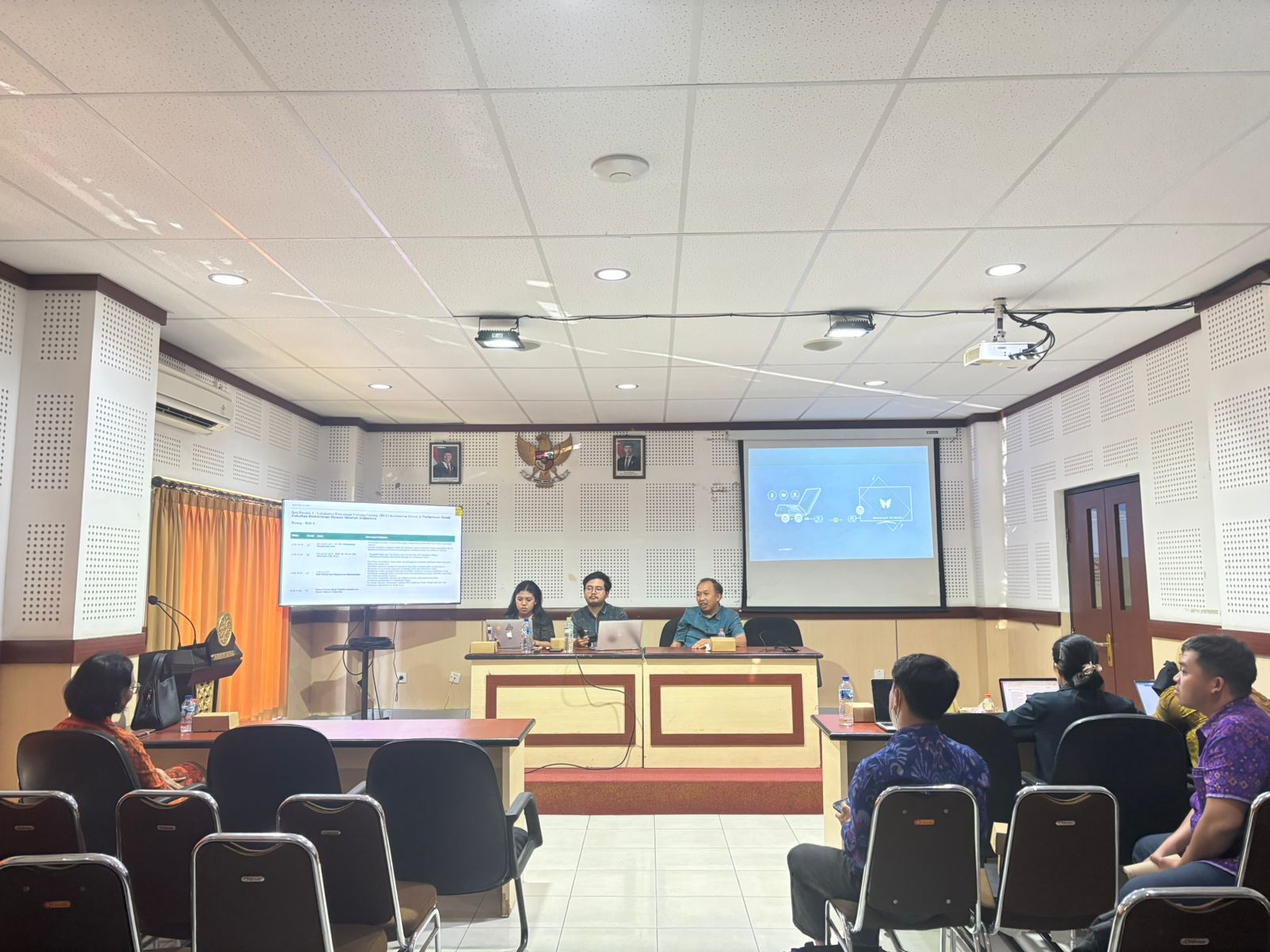
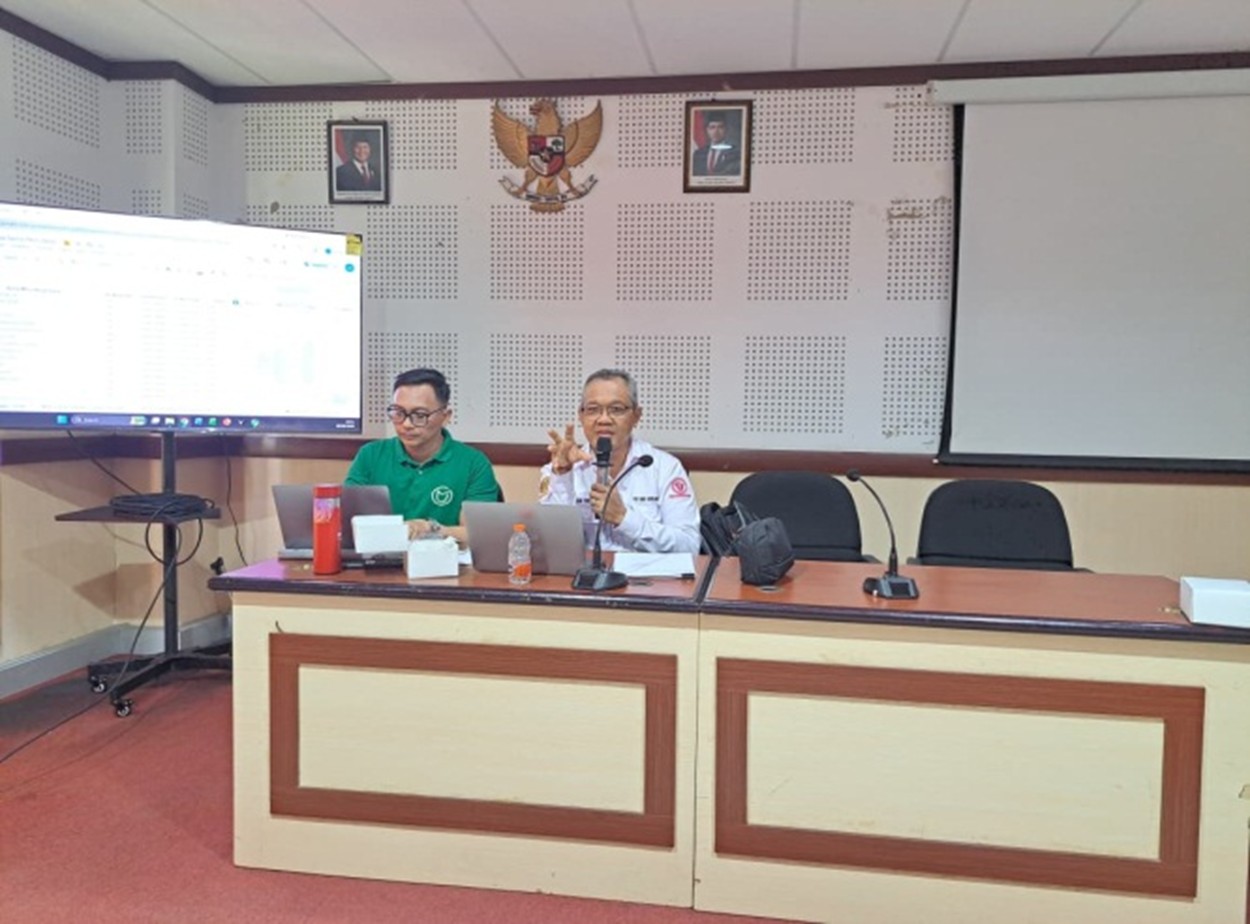
The Faculty of Veterinary Medicine (FVM) of Udayana University continues to strengthen its collaboration with the Badung Regency Government through coordination with the Badung Agriculture and Food Security Office. The meeting, held at the Office of the Badung Agriculture and Food Security Office at the Badung Government Center (Puspem Badung) on Wednesday (August 5, 2026), discussed various follow-up plans to support the implementation of the Partner Village Program, rabies control, and the strengthening of data collection systems for rabies-transmitting animals (HPR).
The coordination meeting also discussed FVM Unud's proposal for funding support for the Partner Village Program from the Badung Regency Government. Meanwhile, the Badung Agriculture and Food Security Office explained that village funding is currently allocated to the priority programs of each village and therefore cannot be specifically redirected to Partner Village activities. Nevertheless, the office continues to explore possible funding schemes to support the sustainability of the program.
During the meeting, several programs supported through local government funding were also presented, including rabies vaccination activities, which have reached approximately 75 percent of the recorded HPR population of 95,000 animals in Badung Regency. In addition, support is available for the operation of Community Animal Health Centers (Puskeswan) through the provision of medicines and equipment, as well as monitoring the distribution of veterinary medicines at veterinary clinics, pet shops, and veterinary practices.
One of the key issues discussed was the HPR population data collection system. Currently, data collection is still conducted manually based on vaccination records. To improve data accuracy, the Badung Agriculture and Food Security Office plans to develop a digital-based data collection system so that HPR population data can be presented more consistently and support decision-making for vaccination programs and other rabies control measures.
This year's FVM Unud Partner Village Program is also directed toward supporting door-to-door HPR data collection in partner villages. This approach is expected to produce more accurate data while strengthening rabies prevention and control efforts at the community level.
The coordination agenda also included plans to establish Rabies Response Teams (TISIRA) in 10 FVM Unud Partner Village areas. The establishment of these teams falls under the authority of the provincial government. To date, only several areas in Badung Regency have obtained official TISIRA decrees, including Darmasaba, Sangeh, Legian, Canggu, and Kerobokan. To support the sustainability of rabies control efforts, each partner village is expected to propose the establishment of a TISIRA team, which will subsequently receive ongoing guidance and support.
As part of its support for the implementation of the Partner Village Program, the Badung Agriculture and Food Security Office stated that the assistance it can provide would be in the form of logistics or supporting facilities rather than direct financial assistance. In addition, students participating in the FVM Unud Partner Village Program are encouraged to establish partnerships with the private sector, particularly hotels in the South Kuta area, through coordination with the Animal Health Division to obtain logistical support and other operational resources. FVM Unud is also encouraged to prepare comprehensive funding proposals as a basis for approaching various potential partners.
Through this coordination, FVM Unud further strengthens its commitment to supporting the achievement of the Sustainable Development Goals (SDGs), particularly SDG 3: Good Health and Well-Being, through efforts to prevent and control rabies as a zoonotic disease that poses a risk to public health. The collaboration with the Badung Agriculture and Food Security Office also reflects the implementation of SDG 17: Partnerships for the Goals, by promoting synergy among universities, local governments, village governments, and various stakeholders in supporting the sustainability of the Partner Village Program.
This coordination is expected to improve the effectiveness of rabies control efforts and strengthen the animal health system, ultimately contributing to the well-being of the community.
UDAYANA UNIVERSITY