 ENG
ENG
 INA
INA
FVM Udayana Strengthens Its Role in Rabies Control Efforts in Bali through the Establishment of an Internal Working Group
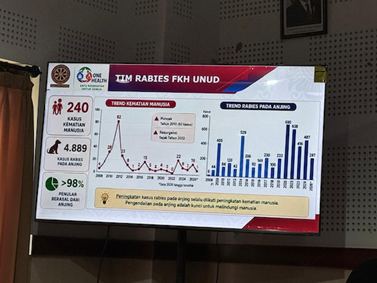
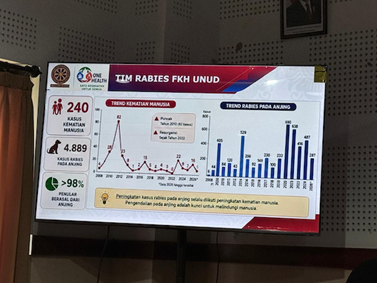
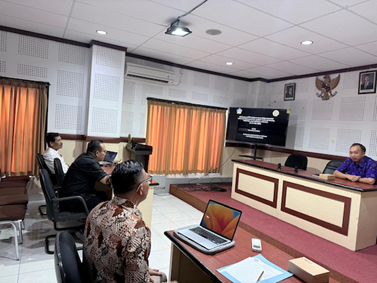
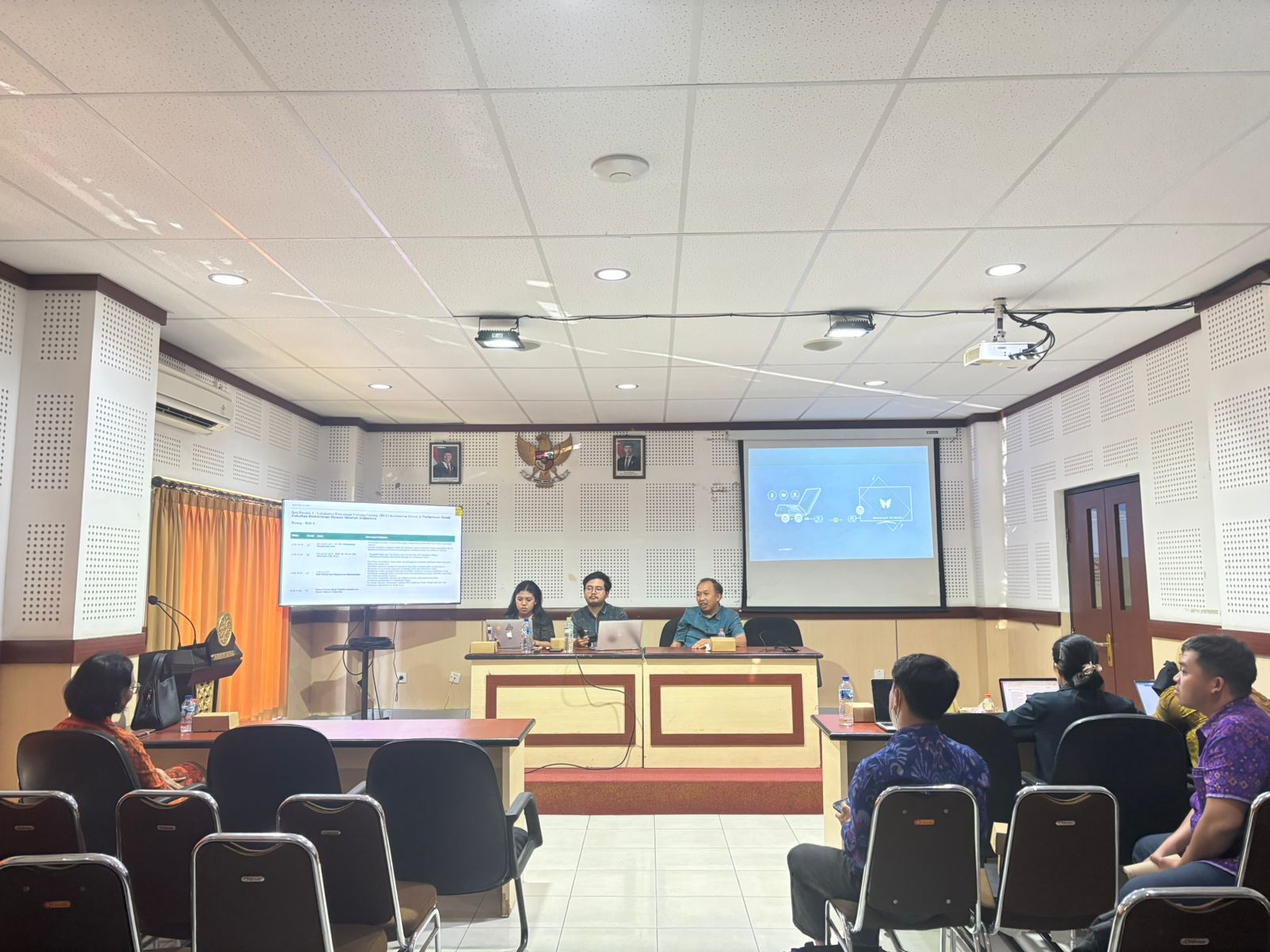
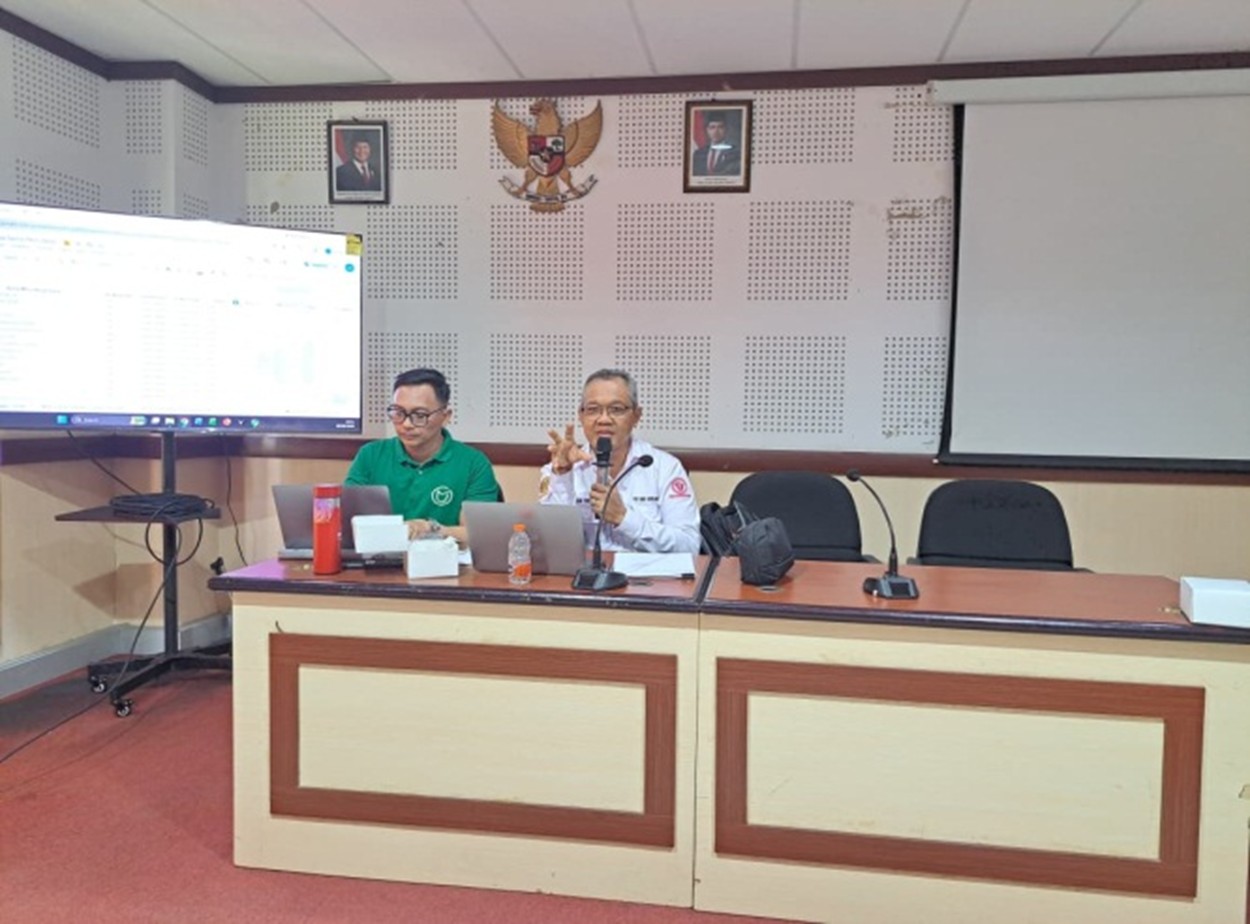
Denpasar – The Faculty of Veterinary Medicine, Udayana University (FVM Unud) continues to demonstrate its commitment to supporting rabies control efforts in Bali. This commitment was reflected through the Coordination Meeting for the Establishment of the Rabies Control Working Group, held on Wednesday, July 22, 2026, in the First Floor Meeting Room of the Faculty of Veterinary Medicine Building, Udayana University, Sudirman Campus, Denpasar. The meeting marked an initial step in strengthening collaboration between academia and the government to support the Bali Rabies-Free 2030 target. It also represents the implementation of the Sustainable Development Goals (SDGs), particularly SDG 3: Good Health and Well-being, through efforts to prevent zoonotic diseases, and SDG 17: Partnerships for the Goals, through cross-sector collaboration.
The meeting was officially opened by the Vice Dean for Academic Affairs of the Faculty of Veterinary Medicine, Udayana University, Prof. Dr. drh. I Wayan Suardana, M.Si., who emphasized that FVM Unud has a strategic opportunity to make a tangible contribution to rabies control in Bali. According to him, this role can be realized through research and community service activities that provide direct benefits while strengthening the faculty's contribution to addressing public health challenges.
On the same occasion, drh. I Wayan Masa Tenaya, M.Phil., Ph.D. presented an overview of the vision, mission, and framework of the proposed work program. The program has been designed to support concrete actions aimed at accelerating the achievement of the Bali Rabies-Free 2030 target.
Meanwhile, Prof. Dr. drh. I Made Damriyasa, M.S. outlined several strategic directions for rabies control efforts in Bali. He explained that Udayana University has been requested to play an active role in supporting rabies prevention and control, in line with the ongoing coordination between the central government and the Provincial Government of Bali through the establishment of the Rabies Task Force. According to him, the priority at this stage is no longer to formulate new concepts, but rather to strengthen coordination and implement the national programs that have already been established.
He further highlighted that controlling the population of rabies-transmitting animals, particularly dogs, remains the primary focus. In addition, the regencies of Buleleng and Karangasem continue to receive special attention due to several locations with rabies cases requiring more intensive intervention. The relatively low vaccination coverage in these areas underscores the importance of adopting an interdisciplinary approach through the One Health concept. These efforts will also be reinforced through collaborative research with the Regional Research and Innovation Agency (BRIDA) and by utilizing various collaborative research funding schemes.
As a follow-up to the meeting, the Faculty of Veterinary Medicine, Udayana University, agreed on five key actions to be implemented immediately: establishing an internal Rabies Working Group, aligning its work program with the government's Rabies Task Force, creating an internal WhatsApp group to facilitate communication, preparing a work proposal along with an initial database to support surveillance activities, and compiling and consolidating data from previous rabies control initiatives conducted in the Jimbaran and South Kuta areas. Through these measures, FVM Unud is expected to accelerate coordination while further strengthening its contribution to sustainable rabies control efforts in Bali.
Gallery
UDAYANA UNIVERSITY