 ENG
ENG
 INA
INA
AWATARA Unit of Udayana University Promotes Farm Animal Welfare Among Laying Hen Farmers in Bali
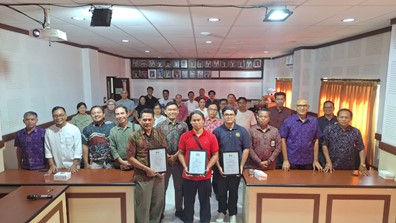
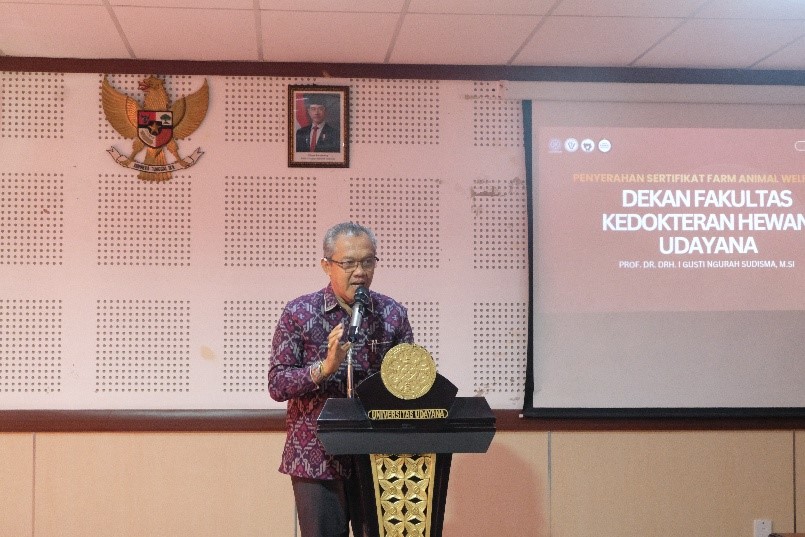
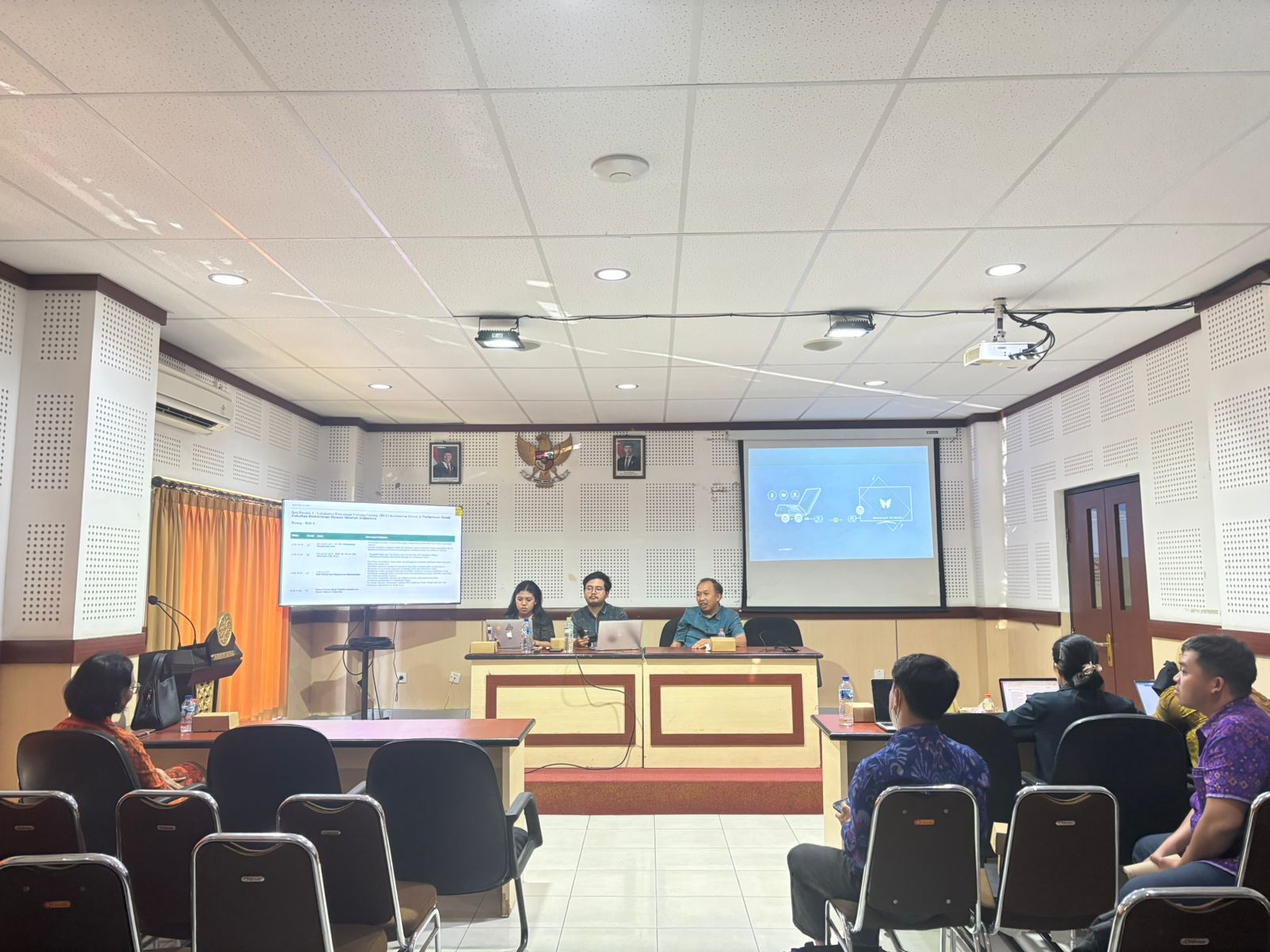
The Faculty of Veterinary Medicine, Udayana University (FKH Unud), through its Animal Welfare Assistance, Training, Research, and Assessment (AWATARA) unit, organized an Animal Welfare Certificate Award Ceremony combined with a Farm Animal Welfare (FAW) awareness and outreach program for laying hen farmers, distributors, Village-Owned Enterprises (BUMDes), and Regional-Owned Enterprises on Tuesday, 14 July 2026, at the First Floor Meeting Hall of the Faculty of Veterinary Medicine, Sudirman Campus.
The event followed a series of farm assessments previously conducted by the AWATARA team and served as an educational platform to enhance participants' understanding of the importance of implementing Farm Animal Welfare principles as the foundation for sustainable, productive, and market-oriented poultry farming.
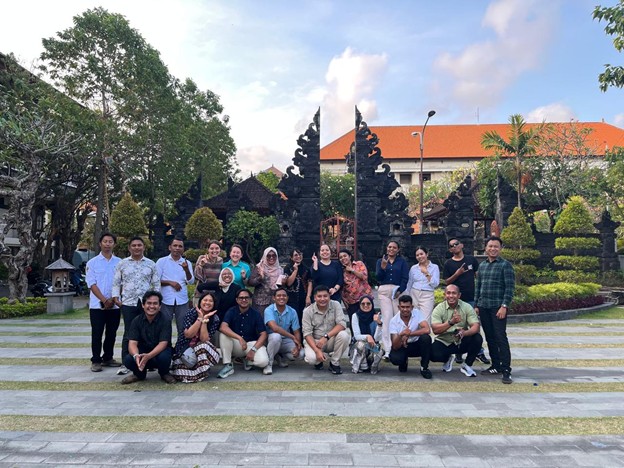
The outreach program was attended by laying hen farmers, representatives from the Tabanan Regional-Owned Enterprise (PERUMDA), stakeholders from the hotel, restaurant, and catering (HORECA) sector, BUMDes representatives, academics, and the AWATARA team. The participation of these diverse stakeholders reflected the growing recognition of the importance of animal welfare throughout the animal-source food production chain.
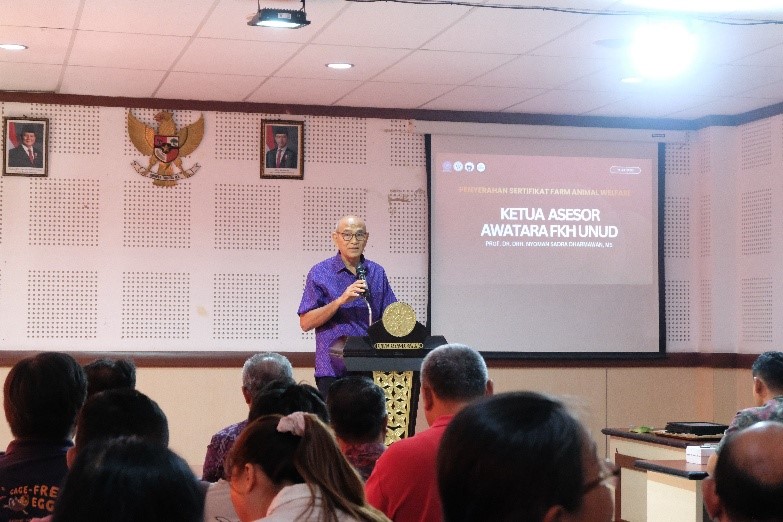
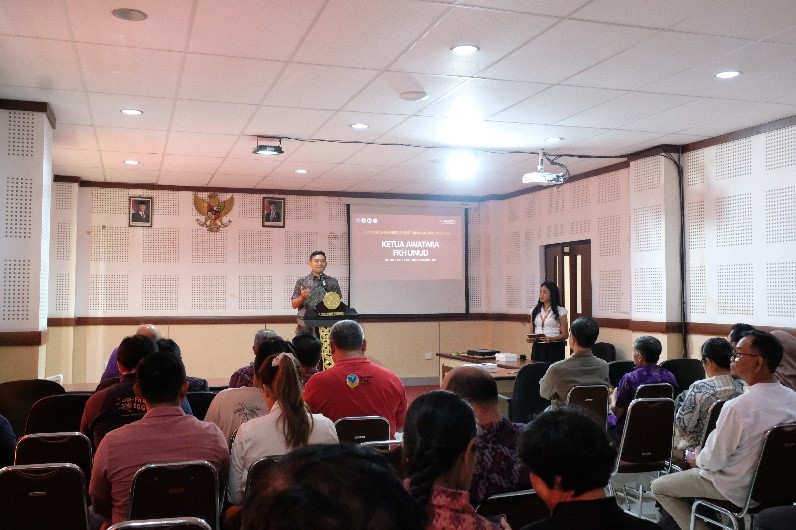
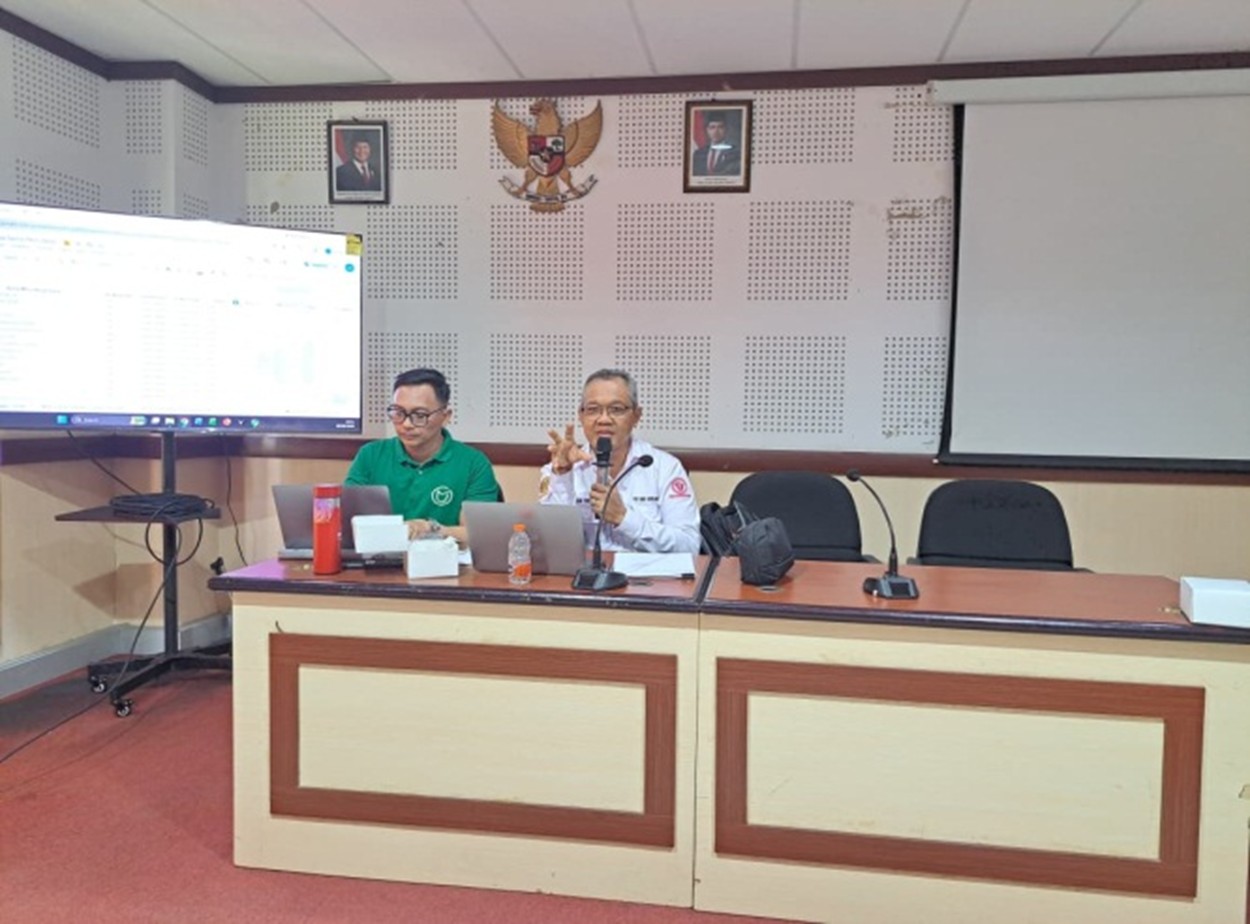
During the session, the Head of the AWATARA Unit explained that Farm Animal Welfare is not only an ethical responsibility toward animals but also provides tangible benefits for farm productivity, animal health, product quality, and the long-term sustainability of livestock enterprises. One practical application of these principles is the adoption of cage-free and free-range laying hen production systems, which allow hens to express their natural behaviors, enjoy greater freedom of movement, and experience lower levels of stress.
Participants also learned about the differences between FAW-based production systems (cage-free and free-range) and conventional intensive farming systems. In FAW systems, animal welfare is a key priority, contributing to healthier birds and higher-quality eggs. Furthermore, adopting FAW practices creates opportunities to access premium markets, including hotels, restaurants, and other buyers that increasingly require products sourced from farms operating under recognized animal welfare standards.
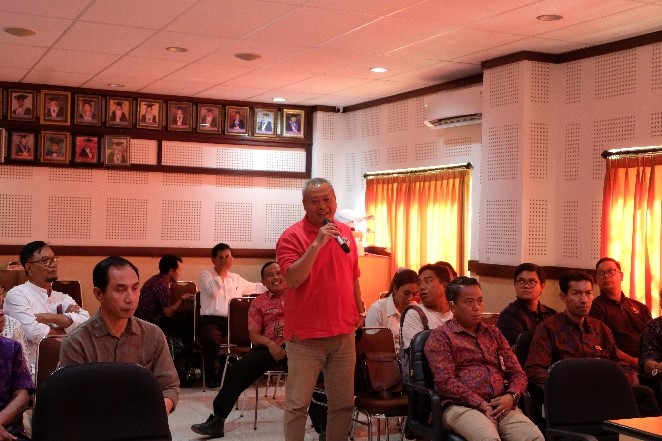
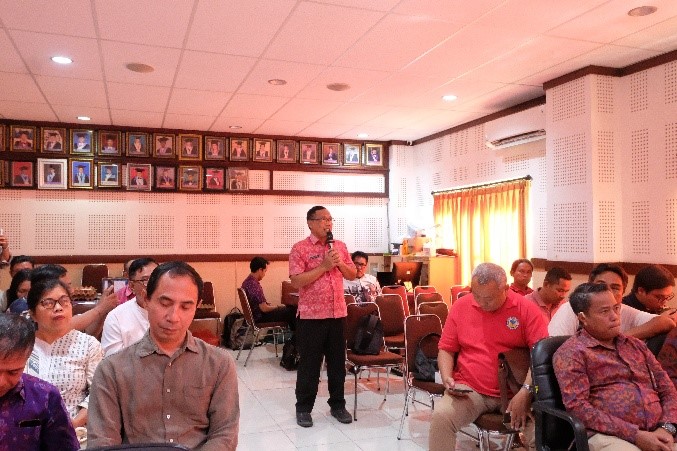
The discussion session provided farmers with an opportunity to exchange experiences and discuss both the challenges and opportunities associated with implementing FAW systems. The program aimed to increase awareness that investing in Farm Animal Welfare delivers long-term benefits not only for farmers and their animals but also for consumers and the environment.
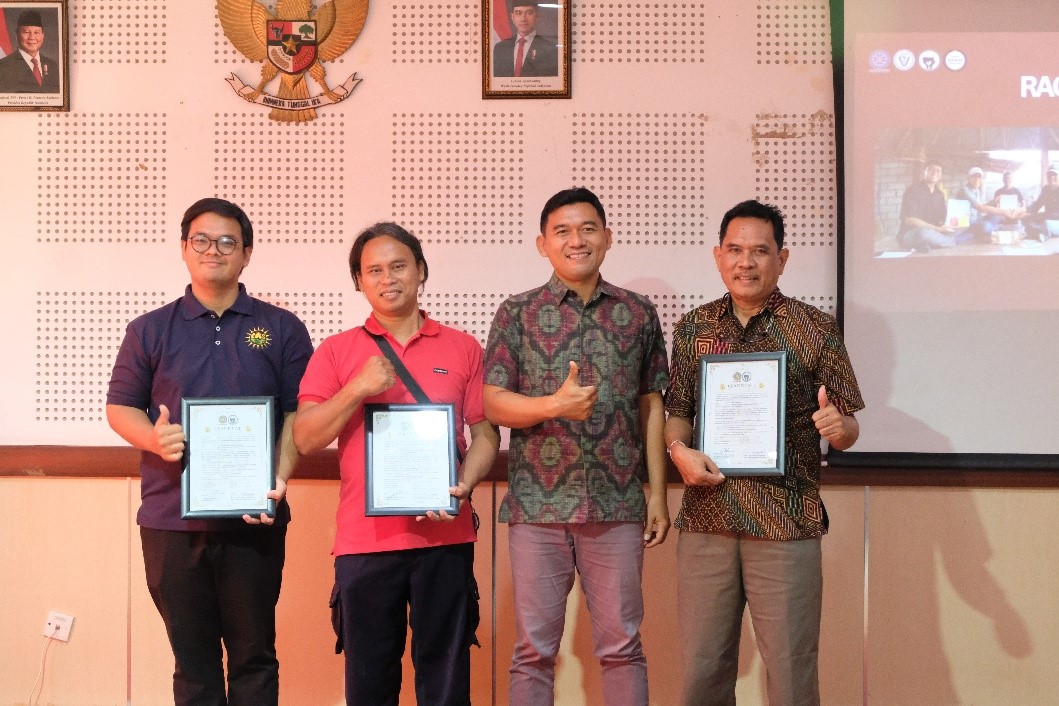
As part of the event, the AWATARA Unit also presented Animal Welfare Certificates to laying hen farmers who successfully met the required animal welfare standards based on the assessments previously conducted by the AWATARA team. The certificates recognize the farmers' commitment to implementing Farm Animal Welfare principles in their farming operations.
The event also served as a platform to strengthen collaboration among farmers, government agencies, academia, distributors, and industry partners in building a more responsible and sustainable livestock production system. Through continuous education and outreach, the AWATARA Unit of Udayana University hopes to encourage more farmers to adopt Farm Animal Welfare principles, thereby improving the competitiveness of Indonesian livestock products in both national and international markets.
Gallery
UDAYANA UNIVERSITY