 ENG
ENG
 INA
INA
Ulu Farm Owned by Pecatu Village-Owned Enterprise Officially Receives Animal Welfare Certification from AWATARA FKH Udayana University

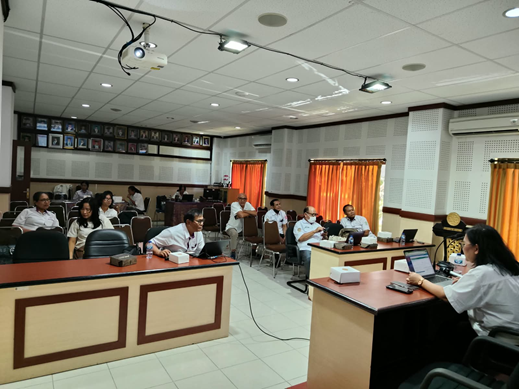
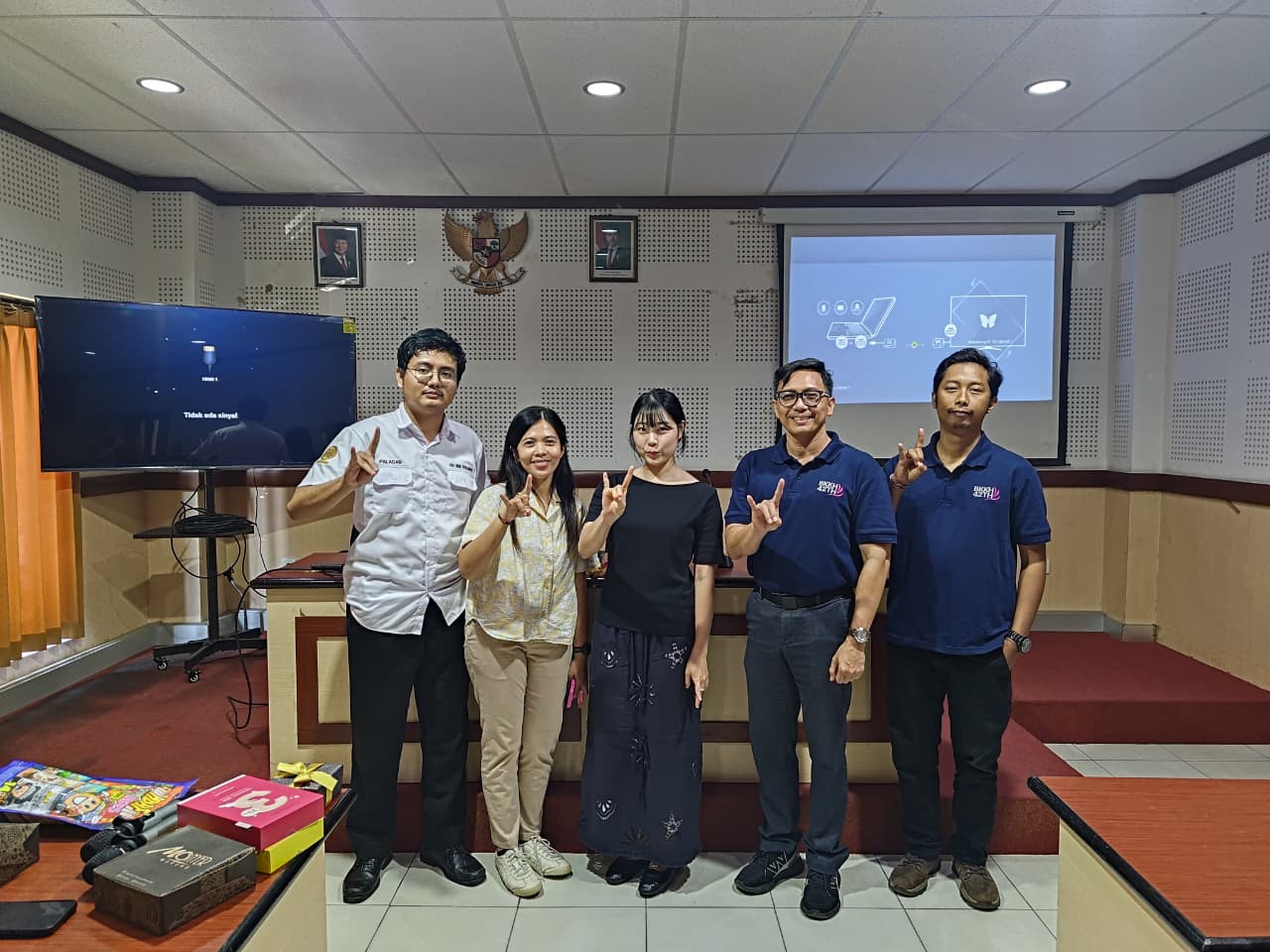
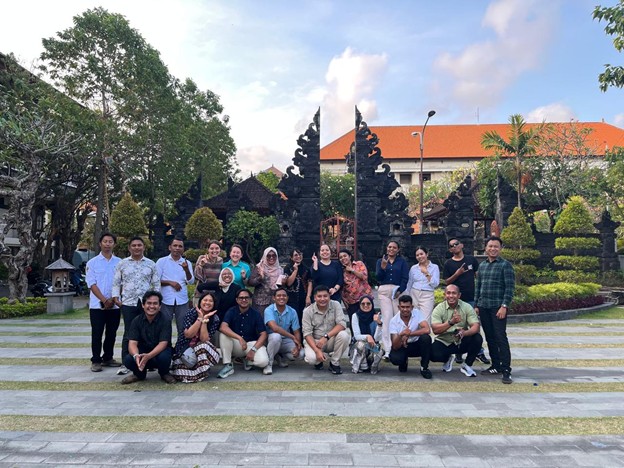
Pecatu, Badung, January 15, 2026 — The Faculty of Veterinary Medicine, Udayana University (FKH Unud), through its AWATARA Certification Unit (Animal Welfare Assistance, Training, Research and Assessment), officially awarded the Animal Welfare Certificate to Ulu Farm, a free-range layer farm owned by the Pecatu Village-Owned Enterprise (BUMDes Pecatu). The certificate was presented in conjunction with the National Village Day celebration, which was centered in Pecatu Village, South Kuta District, Badung Regency, on Thursday (January 15, 2026), and was witnessed directly by the Assistant I of Badung Regency and the Head of the Institute for Research and Community Service (LPPM) of Udayana University.
Ulu Farm, located at Jalan Pura Kulat, Pecatu Village, South Kuta, Badung Regency, Bali, has undergone a series of intensive mentoring processes by the technical assistance team and a comprehensive assessment by the AWATARA Animal Welfare Assessor Team before being declared eligible for certification.
Based on the assessment results, Ulu Farm has been confirmed to comply with the Policies and Standards established by AWATARA for free-range layer chicken farming systems and has been granted authorization to use the AWATARA Certification Mark on its product, namely Free-Range Chicken Eggs. This certificate is non-transferable and is valid until January 15, 2028, under the conditions that: The products must be regularly registered in the AWATARA Certification Unit directory; and Continuous inspections will be conducted every six months. Failure to comply with these conditions may result in the revocation of the certification before its expiration date.
The Head of the AWATARA Unit, Dr. Drh. Kadek Karang Agustina, MP, expressed her high appreciation to the Government of Pecatu Village for developing a sustainability-based livestock enterprise by adopting the free-range chicken concept as the foundation for implementing animal welfare principles.
According to her, the entire production process at Ulu Farm is carried out under an animal welfare assurance system, ensuring that the eggs produced receive quality guarantees from AWATARA, including animal welfare assurance, freedom from antibiotic residues, absence of harmful microorganisms, and freedom from other hazardous substance residues. “The chickens are raised naturally, in harmony with nature, and are able to express their natural behaviors such as flying and running freely, dust bathing, and scratching the soil to obtain natural minerals,” she explained. She also added that the quality of Ulu Farm eggs is classified as very high and falls into the premium category, as proven by a series of laboratory tests conducted at Udayana University.
The availability of animal welfare–certified products is considered essential to penetrate the hotel, restaurant, and café (HoReCa) market, as well as consumer markets that already have a high level of awareness regarding food safety and health. This certification serves as a guarantee that the products consumed are not only physically high in quality, but are also produced through ethical, safe, and sustainable processes. With these standards, Ulu Farm eggs are expected to compete and be well accepted in the premium market, especially in the tourism sector, which increasingly demands quality assurance, food safety, and product traceability.
This certification further affirms Pecatu Village’s commitment to providing safe, healthy, ethical, and sustainable animal-based food products, while strengthening the village’s position as a pioneer in the development of animal welfare–based livestock enterprises in Bali.
UDAYANA UNIVERSITY