 ENG
ENG
 INA
INA
Pecatu Village Officially Launches Ulu Farm in Commemoration of National Village Day 2026

Pecatu, January 15, 2026 — The Head of Pecatu Village (Perbekel), I Made Karyana Yadnya, SE, officially launched Ulu Farm, an animal welfare–based free-range layer farming enterprise, in conjunction with the National Village Day commemoration on Thursday (January 15, 2026). This event marked an important milestone in strengthening food security and economic empowerment for the people of Pecatu Village. Carrying the theme “Build the Village, Build Indonesia: Villages at the Forefront for Indonesia”, the event reflects a shared commitment to reinforcing the role of villages as the foundation of national development.
The Head of Pecatu Village stated that the cooperation that has been established is expected to continue sustainably. Synergy between the village, academia, and the business sector is seen as essential to creating tangible impacts for rural communities, particularly in enhancing local economic independence and welfare.
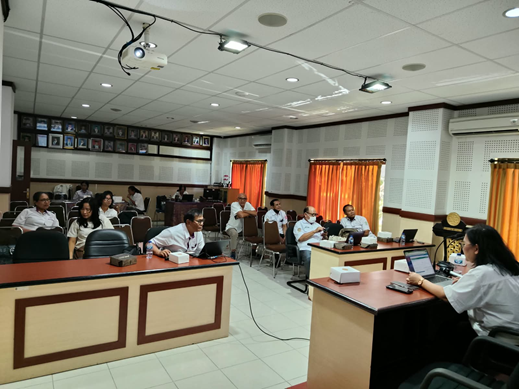
The launching ceremony was attended by various representatives of government, academia, and stakeholders, including the Regent of Badung represented by the Assistant I of Badung Regency, the Rector of Udayana University represented by the Head of the Institute for Research and Community Service (LPPM), the Dean of the Faculty of Veterinary Medicine of Udayana University, and the AWATARA Team of Udayana University. Also present were representatives from the Badung Regency Office for Village Community Empowerment, the Badung Regency Research and Innovation Agency (BRIDA), the Agriculture and Food Service, the Marine and Fisheries Service, the Head of South Kuta District, as well as various regency-level village forums.
In her remarks, the Head of AWATARA, Dr. drh. Kadek Karang Agustina, M.P., emphasized the importance of sustainability-oriented products to ensure the long-term well-being of both animals and humans. She also noted that free-range eggs have so far largely been sourced from outside the region, and therefore the presence of AWATARA is expected to serve as a platform for local MSMEs to produce, compete, and meet sustainable market standards.
Meanwhile, the Dean of the Faculty of Veterinary Medicine (FVM) Dr. Drh. I Gusti Ngurah Sudisma, M.Si stated that this collaboration is expected to generate new enthusiasm and momentum for Badung Regency. This commemoration serves as a reminder that building villages is a strategic step in building Indonesia as a whole.
The event was also attended by the leadership and institutions of Pecatu Village, including the Heads of Kutuh and Ungasan Villages, village officials, traditional village institutions, BPD, LPM, TP PKK, BUMDes, LPD, Karang Taruna, Subak Abian, Satlinmas, and Pecalang, as well as local MSME actors. Representatives from the management of hotels, villas, resorts, restaurants, cafés, and supermarkets in and around Pecatu were also present.
Ulu Farm is a layer chicken farm fostered by the AWATARA Team of the Faculty of Veterinary Medicine, Udayana University, and is developed based on the principles of animal welfare, ethical production, and sustainability. This program represents the strong commitment of the Pecatu Village Government to building local culture–based food security, while at the same time ensuring food safety through the assistance of expert teams from Udayana University.
Ulu Farm applies a free-range layer farming system, in which chickens are allowed to access the environment freely, live in better welfare conditions, and produce premium-quality eggs. Ulu Farm’s egg products are targeted to support the needs of the tourism sector, especially hotels and restaurants that are widely found in Pecatu Village and South Kuta District.
Through the development of Ulu Farm, the Pecatu Village Government hopes to promote rural development by improving the local economy through the livestock sector, while also strengthening the image of Pecatu Village as a village that develops enterprises based on sustainability, quality, and ethical values.
In closing, the Assistant I of Badung Regency expressed appreciation for this cross-sector collaboration. Going forward, such cooperation is expected to boost the potential and competitiveness of Badung Regency, and the local government has stated its readiness to provide support to ensure the sustainability and success of the programs being implemented.
UDAYANA UNIVERSITY