 ENG
ENG
 INA
INA
From Rabies Vaccination to Lake Conservation: The Synergy of PT Sanbe Farma with the Kintamani Community
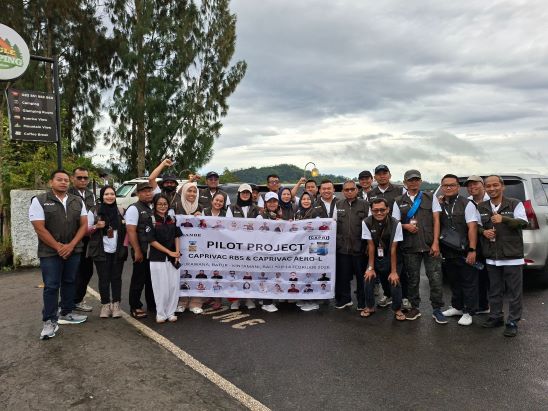
The collaboration between PT Sanbe Farma and the Kintamani community once again demonstrates a strong commitment to supporting animal health and environmental conservation through activities conducted in Kintamani District, Bangli Regency. Two main programs were carried out, namely the Caprivac RBS and Caprivac Aero-L Pilot Project on 10–13 February 2026 in Sukawana Village, and the Aquatic Seminar on 12–13 February 2026 in Terunyan Village. Both initiatives were designed as integrated efforts to strengthen science-based rabies control and to enhance community capacity in the sustainable management of fisheries resources, particularly in the Lake Batur area.
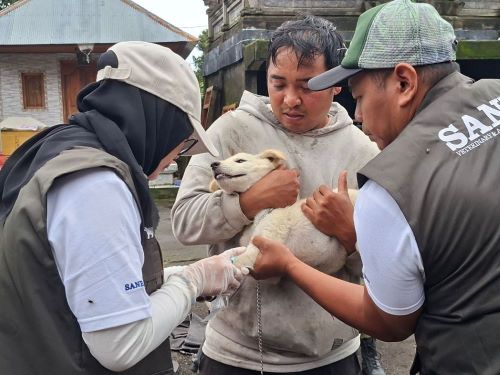
In February 2026, the animal health team conducted the Caprivac RBS and Caprivac Aero-L Pilot Project in Sukawana Village, following a structured daily agenda. The program began with an internal briefing, followed by coordination with the local village office and the presentation of a certificate of cooperation as a symbol of synergy between the company and the village government. The team then carried out field visits to residents’ homes to monitor the dog population as the primary focus of the project. Approximately 130 dogs were targeted for evaluation, including those that had never been vaccinated and those vaccinated during the August–September 2025 period, in order to assess their condition six months post-vaccination.
he examinations were conducted comprehensively, including blood sample collection, administration of booster vaccinations when necessary, general health assessments, and data recording covering the owner’s identity, the dog’s name, age, coat color, sex, breed, and vaccination history. This approach was not only curative but also preventive and data-driven, allowing the results to serve as a scientific reference for rabies control in the Kintamani area. Field activities continued until 3:00 PM Wita and resumed at 7:30 PM Wita with the screening and processing of blood samples. Despite several challenges, such as some dogs having died or gone missing, which reduced the number of samples compared to the initial data, the entire program was carried out as planned due to strong coordination with the local community.
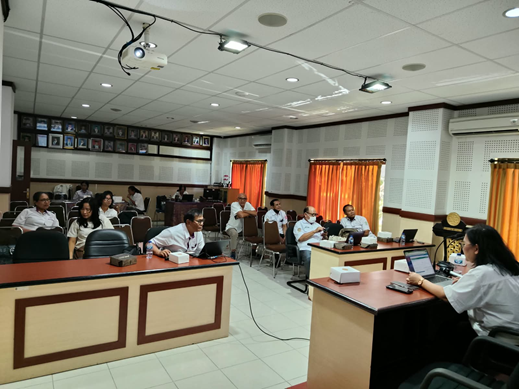
This collaborative commitment continued in February 2026 with the implementation of the Aquatic Seminar in Terunyan Village. The first day began with an opening session and remarks from the Marketing Manager Vet, drh. A. A. Made Agung Adnyana, as well as a representative of the local hamlet head, who emphasized the importance of integrating animal health and fisheries-based food security. The seminar materials were delivered by Supervisor drh. Budi Nanang Priyono, S.Pt., and Product Registration Manager Mohammad Kharis, S.Pi., who discussed technical aspects of aquaculture, ranging from determining pond and net dimensions to estimating harvest yields. The discussion was interactive, providing community members with the opportunity to share their experiences and challenges in daily aquaculture practices.
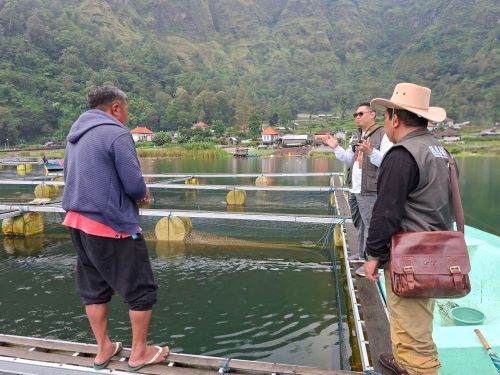
In the afternoon, the program continued with a site visit to the fish ponds to provide practical guidance on proper feeding practices, fish vaccination, vitamin supplementation, and the use of cattle mix. The team also interviewed the pond owner, I Nyoman Kastana, to identify operational challenges, particularly regarding fingerling placement and the impact of weather conditions on productivity. This field-based approach strengthened the direct application of the seminar materials, ensuring that the theories presented could be immediately implemented in aquaculture practices.
The second day of the seminar focused on conservation issues under the theme, “Let Us Protect Lake Batur from the Invasive Red Devil Fish to Preserve Biodiversity.” As one of Bali’s key freshwater ecosystems, Lake Batur faces challenges due to the presence of the invasive red devil fish, which has the potential to disrupt ecological balance and threaten endemic fish populations. The event was attended by representatives of the local government and related agencies, including the Head of the Bangli Regency Agriculture, Food Security, and Fisheries Office, Ir. I Wayan Sarma, and the Head of the Bali Provincial Marine and Fisheries Office, Ir. Putu Sumardiana, M.P. Both expressed their support for sustainable efforts to control the invasive fish population.
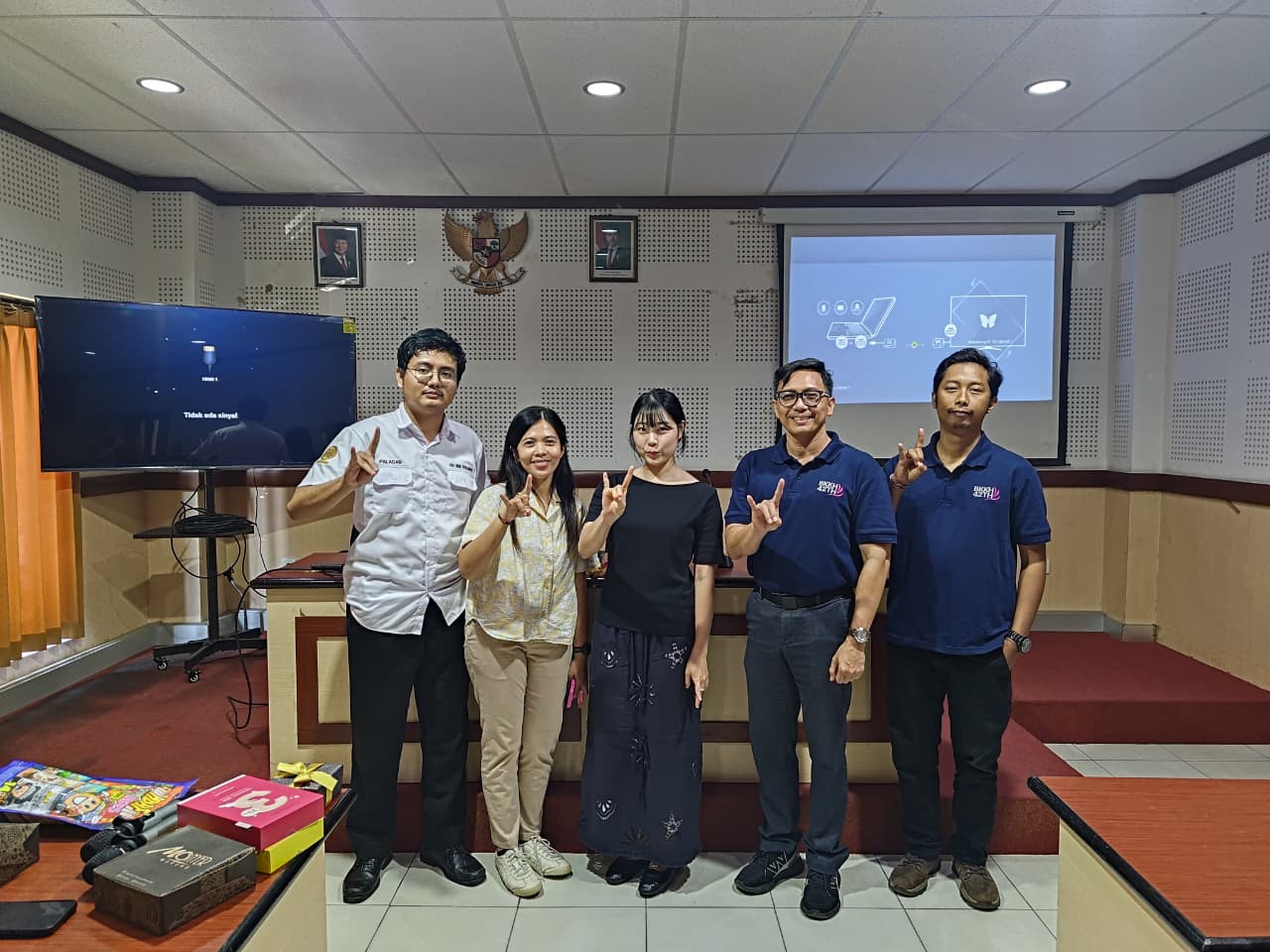
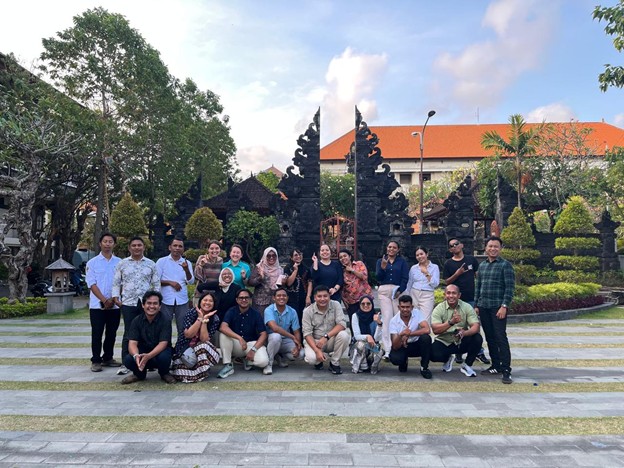
As a symbol of shared commitment, the red devil fish caught by fishermen from Terunyan Village were weighed and transported to a fish processing unit in Pengambengan Village, Jembrana Regency. This step formed part of the population control effort while also creating opportunities for added economic value through the utilization of the catch. The series of activities concluded with the presentation of commemorative certificates and a joint documentation session, reinforcing the synergy among all parties involved.
Overall, the entire series of activities initiated and supported by PT Sanbe Farma in collaboration with the Kintamani community was carried out smoothly and received positive responses. The program not only strengthened rabies control through a field-based scientific approach, but also enhanced community capacity in aquaculture and fostered collective awareness of the importance of conserving Lake Batur. The synergy between the private sector, government, and the community is expected to generate sustainable health, economic, and environmental benefits, while serving as an integrated collaboration model for regional development oriented toward welfare and environmental sustainability.
Author : Aci LPM SS
Editor : Jelita LPM SS
UDAYANA UNIVERSITY