 ENG
ENG
 INA
INA
Faculty of Veterinary Medicine, Udayana University Holds Curriculum Revitalization Workshop for the Doctor of Veterinary Medicine Study Program, Focusing on Enhancing Graduate Competence and Study Efficiency

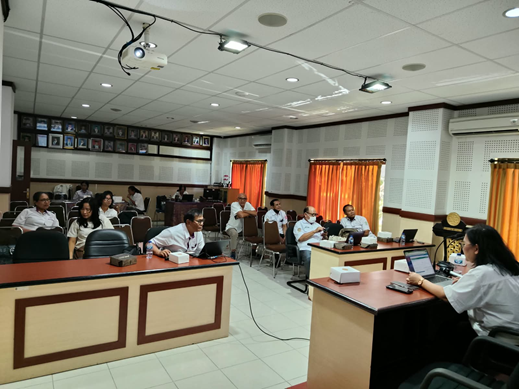
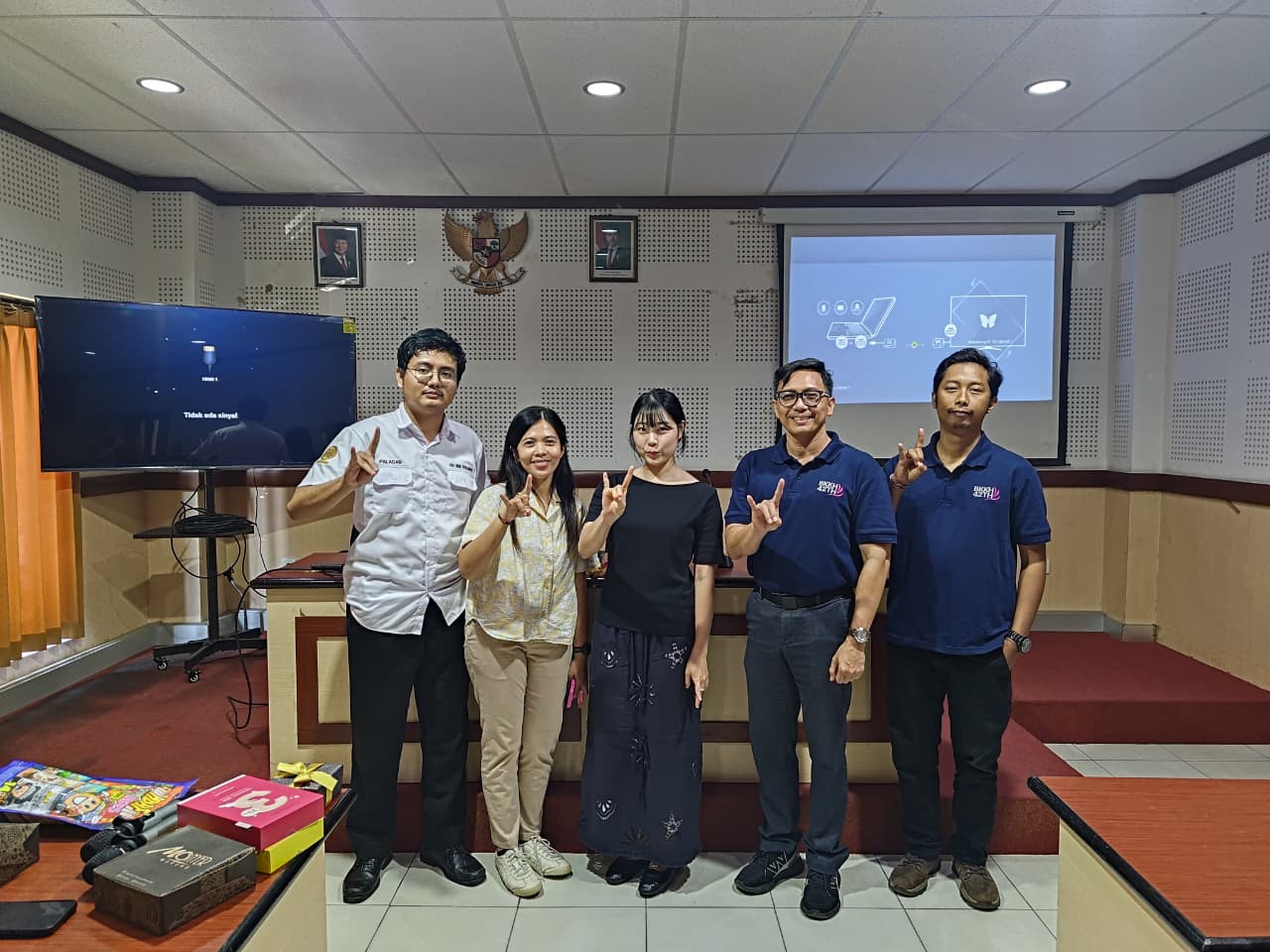
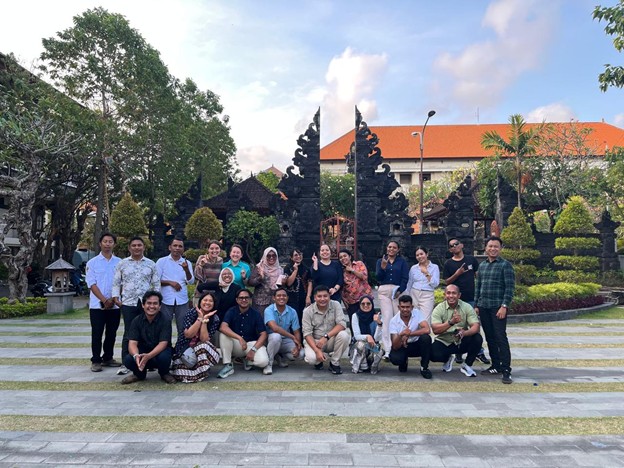
Denpasar – The Faculty of Veterinary Medicine, Udayana University (FVM Udayana) organized a Curriculum Revitalization Workshop for the Doctor of Veterinary Medicine Study Program (DVM Program) on Monday, April 6, 2026, held in the Meeting Room on the 1st Floor of the FVM Sudirman Building. The event was attended by the Vice Dean I, FVM lecturers, the Head of the Indonesian Veterinary Medical Association (PDHI) Bali Branch, representatives from BBVet, the Badung Regional Office, the Provincial Office, Bali Quarantine, IKAYANA, and the Chair of the Student Executive Board of FVM Udayana. The workshop also invited two external speakers: drh. Andi Wijanarko, M.M., Secretary General of PB-PDHI, and Dr. drh. Herwin Pisestyani, M.Si., Lecturer in Public Health and Epidemiology at the School of Veterinary Medicine and Biomedical Sciences (SKHB), IPB University. This activity marked an important momentum to improve the quality of veterinary professional education to be more adaptive to continuously evolving global challenges.
The workshop was motivated by the increasing cases of zoonotic diseases, technological advancements, and the growing demand for implementing the One Health concept, which integrates human, animal, and environmental health. In his remarks, the Vice Dean I, representing the Dean of FVM Udayana, emphasized the importance of cross-sector collaboration and the role of a relevant curriculum in producing competent graduates who are ready to face the dynamics of the workforce. During the presentations, the curriculum revitalization was directed toward implementing the Outcome-Based Education (OBE) approach and Student-Centered Learning. The new curriculum focuses on strengthening core competencies, including knowledge, skills, and attitudes, as well as professional values such as ethics and regulatory compliance. In addition, students are expected to develop strong clinical abilities, including clinical reasoning, communication, problem-solving, and decision-making skills.
The learning models to be applied include Problem-Based Learning, Case-Based Learning, as well as clinical practice and simulation. Meanwhile, the evaluation system will be conducted through various methods such as Objective Structured Clinical Examination (OSCE), logbooks, portfolios, and competency tests to ensure optimal learning outcomes. As a benchmark, the Doctor of Veterinary Medicine Study Program curriculum from IPB University was also presented, demonstrating study efficiency of approximately 1.5 years with a high graduation rate. A well-structured learning system, along with strong support from facilities and extensive partner networks, has been identified as a key factor in this success. An evaluation of the current Doctor of Veterinary Medicine Study Program curriculum at FVM Udayana revealed several challenges, including suboptimal study efficiency, concentrated learning loads within a single block, limited rotation (clinical clerkship) time, and overlapping activities. Furthermore, the overall achievement of graduate competencies has not yet been comprehensively reflected.
As a solution, FVM Udayana has designed a new curriculum structure with a total workload of approximately 38 credit units (SKS) over 52 weeks. This curriculum emphasizes strengthening clinical practice both at the Veterinary Teaching Hospital (RSHP) and through extramural activities, while explicitly incorporating the One Health subject. The distribution of the learning load has also been designed to be more balanced in order to improve the effectiveness of the educational process. The workshop also highlighted the importance of collaboration with various stakeholders, including industry, government institutions, professional organizations, and external partners, to support the availability of field cases and enhance student competencies. In addition, important issues such as Antimicrobial Resistance (AMR), the use of veterinary drugs, and the preparation for the role of Veterinary Authority Officers were also emphasized in the curriculum development. During the discussion session, various inputs were provided, including increasing credit weights for certain courses such as Prescription Writing (Reseptir) and Government Clinical Clerkship, simplifying the Graduate Learning Outcomes, and ensuring a more balanced distribution of workload between on-campus activities and those conducted at the veterinary hospital.
Through this revitalization, FVM Udayana aims to improve study duration efficiency to an average of 1.5 years, increase the competency examination pass rate, and produce professional, competent veterinarians who are capable of acting as agents of change in maintaining global health. This workshop is expected to serve as an initial step toward realizing a more relevant, adaptive, and competitive Doctor of Veterinary Medicine Study Program curriculum at both national and international levels, while preparing graduates of FVM Udayana to be not only competent but also resilient in facing future challenges.
UDAYANA UNIVERSITY