 ENG
ENG
 INA
INA
Faculty of Veterinary Medicine, Udayana University and PDHI Bali Branch Strengthen Collaboration, Prepare Rabies-Assisted Village Program in Pecatu

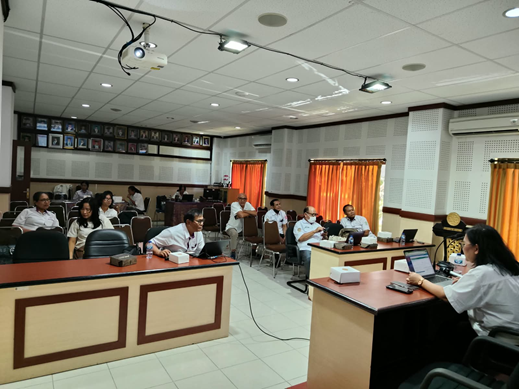
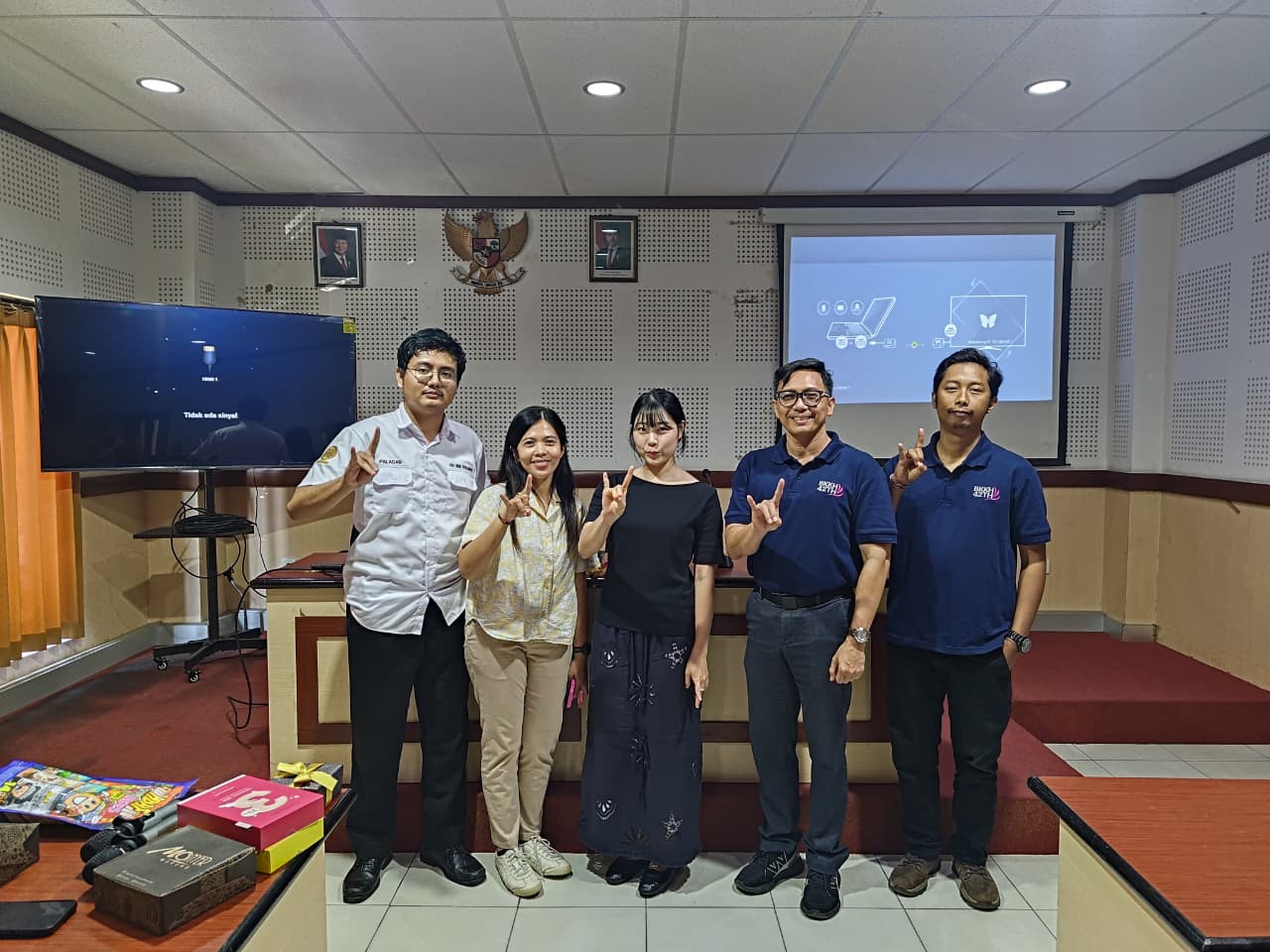
Denpasar – The Faculty of Veterinary Medicine, Udayana University (FVM Udayana), received an audience from the Indonesian Veterinary Medical Association (PDHI) Bali Branch in a meeting held on Tuesday (April 7, 2026) at the Meeting Room, 1st Floor of the FVM Udayana Sudirman Campus Building. The meeting, led directly by the Dean of FVM Udayana, was attended by faculty leaders, study program managers, as well as representatives from the Veterinary Teaching Hospital (RSHP) and PDHI Bali Branch. The audience aimed to strengthen institutional synergy while formulating strategic programs that provide tangible benefits to the community, particularly in the fields of animal health and zoonotic disease control.
During the discussion, both parties agreed to renew their collaboration through a more applicable and sustainable Memorandum of Understanding (MoU). They also highlighted the importance of the active role of veterinarians in responding to current field issues, as well as the need for an annual collaborative agenda involving FVM, Doctor of Veterinary Medicine Study Program, and veterinary practitioners. One of the main focuses is the preparation for the World Veterinary Day 2026 (WVD), which will be held on April 25, 2026, in Pecatu. This initiative is driven by the high number of rabies cases in the South Badung area, requiring integrated efforts through dog population control and increased vaccination coverage.
The implementation of WVD is designed comprehensively by involving various stakeholders, including students, the Veterinary Teaching Hospital (RSHP), NGOs, and local government. Activities will focus on sterilization procedures (ovariohysterectomy and castration) across three service posts, as well as door-to-door services to expand outreach. In addition, PDHI Bali Branch will support the provision of 500 doses of rabies vaccines. Notably, this program is not merely a one-day ceremonial event but is designed to be sustainable, targeting at least 16 sessions over two months, thereby contributing to the achievement of Key Performance Indicators of institutional leadership.
As a key outcome, the Dean of FVM Udayana emphasized the commitment to establish Pecatu as a “Rabies-Assisted Village” that is responsive to rabies cases through tiered education, ranging from school-level to the general public. This program is expected to deliver measurable impact both before and after intervention, while also serving as a pilot project that can be replicated in other villages across Bali in the effort to realize a rabies-free Bali.
UDAYANA UNIVERSITY