 ENG
ENG
 INA
INA
BADUNG REGENCY STRENGTHENS FOOD SECURITY THROUGH THE LAUNCH OF ULU FARM AND COLLABORATION WITH UDAYANA UNIVERSITY AT THE 2026 NATIONAL VILLAGE DAY COMMEMORATION

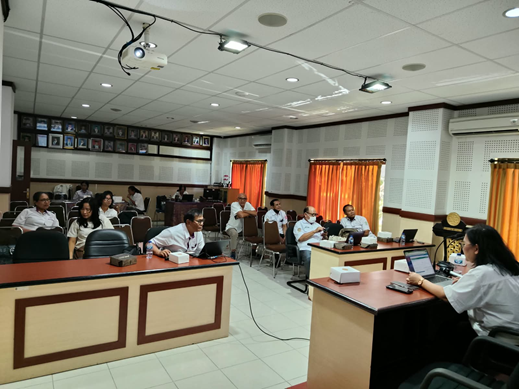
Badung, January 15, 2026 — The Government of Badung Regency commemorated the 2026 National Village Day with a strong commitment to strengthening the role of villages as the foundation of national development. The event, held under the theme “Build Villages, Build Indonesia: Villages at the Forefront for Indonesia,” was marked by the official launch of Ulu Farm Pecatu, the strengthening of cooperation between the Faculty of Veterinary Medicine, Udayana University, and Pecatu Village, as well as the presentation of the AWATARA Animal Welfare Certificate to Ulu Farm Free-Range Layer Farm.
On this occasion, the remarks of Badung Regent I Wayan Adi Arnawa were delivered through the First Assistant of the Badung Regency Government. In the statement, it was emphasized that villages are the main pillar of national development, as from villages emerge food security, economic resilience, social resilience, and cultural resilience in responding to global, national, and regional challenges. It was stated that food security is not only about availability, but also includes aspects of quality, safety, sustainability, and the independence of village communities in managing their natural resources. In this context, Pecatu Village was considered to have great potential to become a model of a food-resilient village in Badung Regency, supported by the strengths of dryland agriculture, livestock farming, and local wisdom.
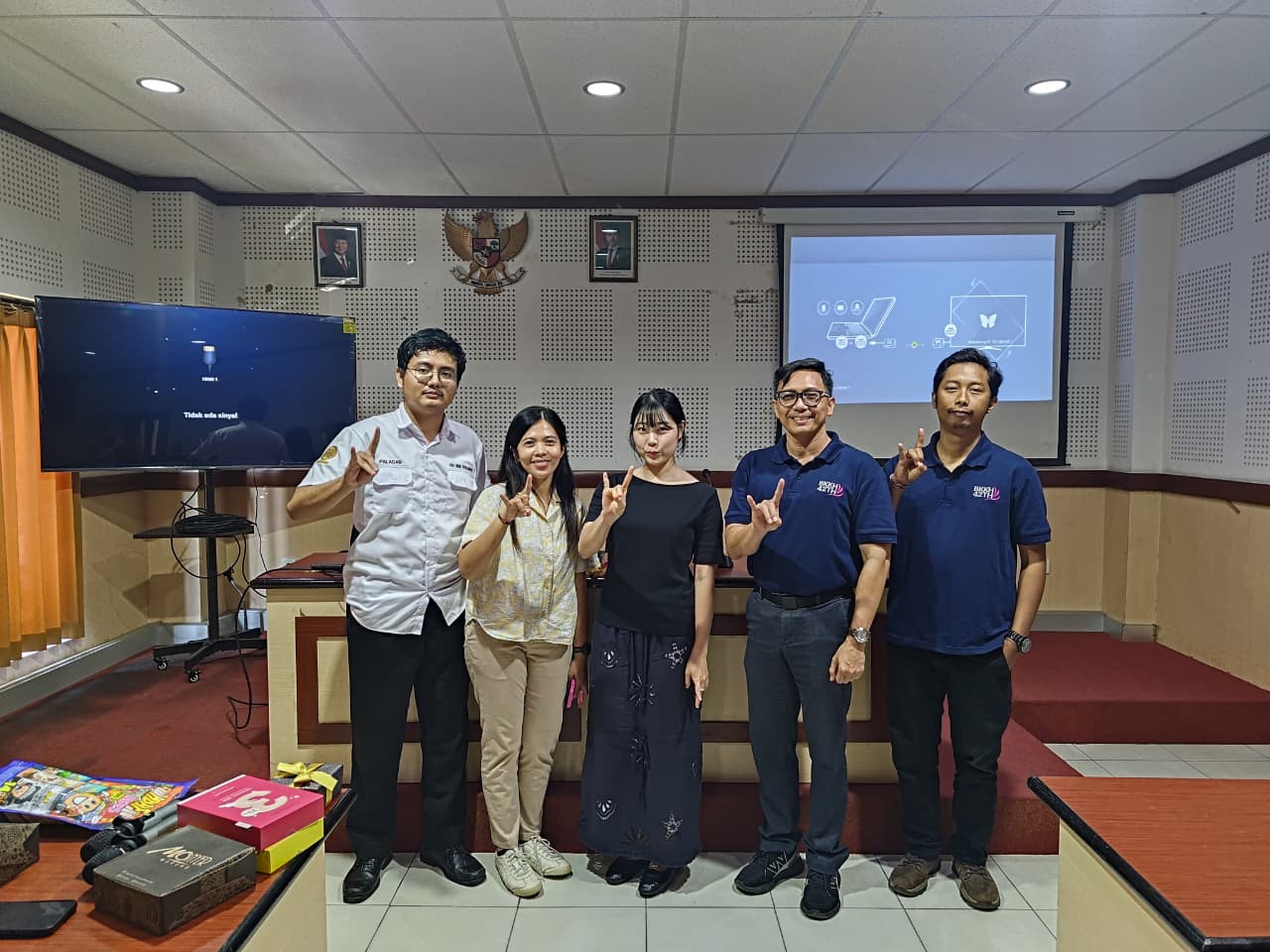
Through the statement, the Regent also conveyed his appreciation and highest recognition to the Faculty of Veterinary Medicine, Udayana University, which has designated Pecatu Village as a fostered village and has consistently provided assistance to the community. Collaboration between the local government, universities, and village communities was highlighted as a key factor for the success of sustainable village development. At this event, AWATARA (Animal Welfare Training, Research and Assessment), as a training, research, assessment, and animal welfare certification body under the Faculty of Veterinary Medicine, Udayana University, officially awarded the Animal Welfare Certificate to Ulu Farm Free-Range Layer Farm. The certificate was granted after Ulu Farm successfully passed a series of mentoring, training, and animal welfare assessment processes in accordance with established standards.
With the awarding of this certificate, Ulu Farm Pecatu has officially become a pilot livestock farming unit implementing a free-range, animal welfare–based, and food safety–oriented layer farming system, and is therefore entitled to use the AWATARA certification logo on its products. This commitment is realized through various training, mentoring, and knowledge and technology transfer programs in the fields of livestock production, animal health, and village-based food management. These efforts are expected to increase farmers’ productivity, maintain product quality, and ultimately improve the welfare of the people of Pecatu Village.
The launch of Ulu Farm Pecatu serves as tangible evidence of the integration of food security, food safety, and sustainable livestock production based on animal welfare, particularly to support community needs and the tourism sector in Badung Regency. Through this initiative, Pecatu Village is positioned not only as a production center, but also as a learning and demonstration center for sustainable, animal welfare–based livestock farming in Bali. As conveyed in the statement, the Government of Badung Regency reaffirmed its commitment to continuously support village strengthening through pro-village policies, empowerment programs, and supportive budgeting. Village development in Badung is directed toward achieving economic independence and community welfare, while maintaining harmony between modern development and the preservation of Balinese customs and culture.
Through the commemoration of the 2026 National Village Day, combined with the launch of Ulu Farm and the awarding of the AWATARA Certificate, the Government of Badung Regency hopes that villages in Badung will become independent, prosperous, sustainable, and remain firmly rooted in Balinese local cultural values. At the end of the statement, the Regent expressed his hope that Pecatu Village would become an example of a resilient, independent, and competitive village, especially in realizing sustainable food security through the development of animal welfare–based livestock farming in Badung Regency.
UDAYANA UNIVERSITY