 ENG
ENG
 INA
INA
Towards an Impactful Campus: FVM Udayana Refines Guidelines for Independent Internship and Village Development Programs

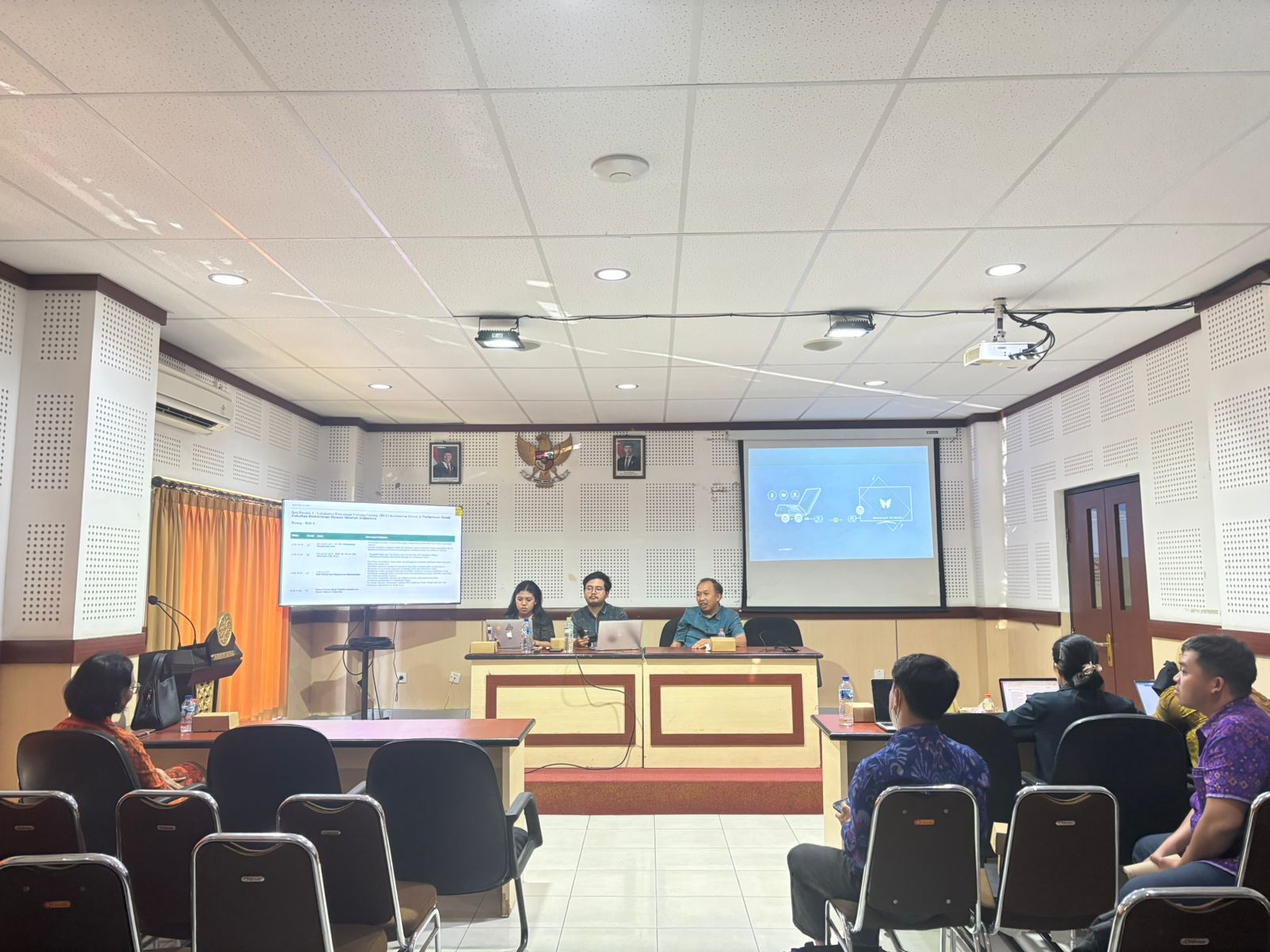
Denpasar – The Faculty of Veterinary Medicine (FKH), Udayana University, held a Workshop on the Development of Guidelines for the Impactful Campus Program, specifically the Independent Internship Program and the Village Development Program, as part of the implementation of off-campus learning policies. The workshop was held in the Meeting Room on the 1st Floor of the Faculty of Veterinary Medicine Building, Udayana University, Sudirman Campus. The workshop, conducted on Friday, June 12, 2026, aimed to develop comprehensive guidelines to support the implementation of the Impactful Campus Program, the Merdeka Belajar Kampus Merdeka (MBKM) initiative, and the achievement of the Sustainable Development Goals (SDGs), particularly in the area of quality education.
In his opening remarks, the Dean of the Faculty of Veterinary Medicine, Udayana University, stated that the development of these guidelines is expected to serve as a strong foundation for implementing the Impactful Campus Program. In addition to supporting the MBKM initiative, the program is expected to provide students with greater opportunities to gain learning experiences outside the university through activities that address community needs, including village development, food security, and the management of zoonotic diseases such as rabies.
The Vice Dean for Academic Affairs emphasized the importance of measuring the impact of every program implemented. According to him, various activities that have been carried out so far need to be supported by clear indicators so that their benefits can be assessed objectively and sustainably.
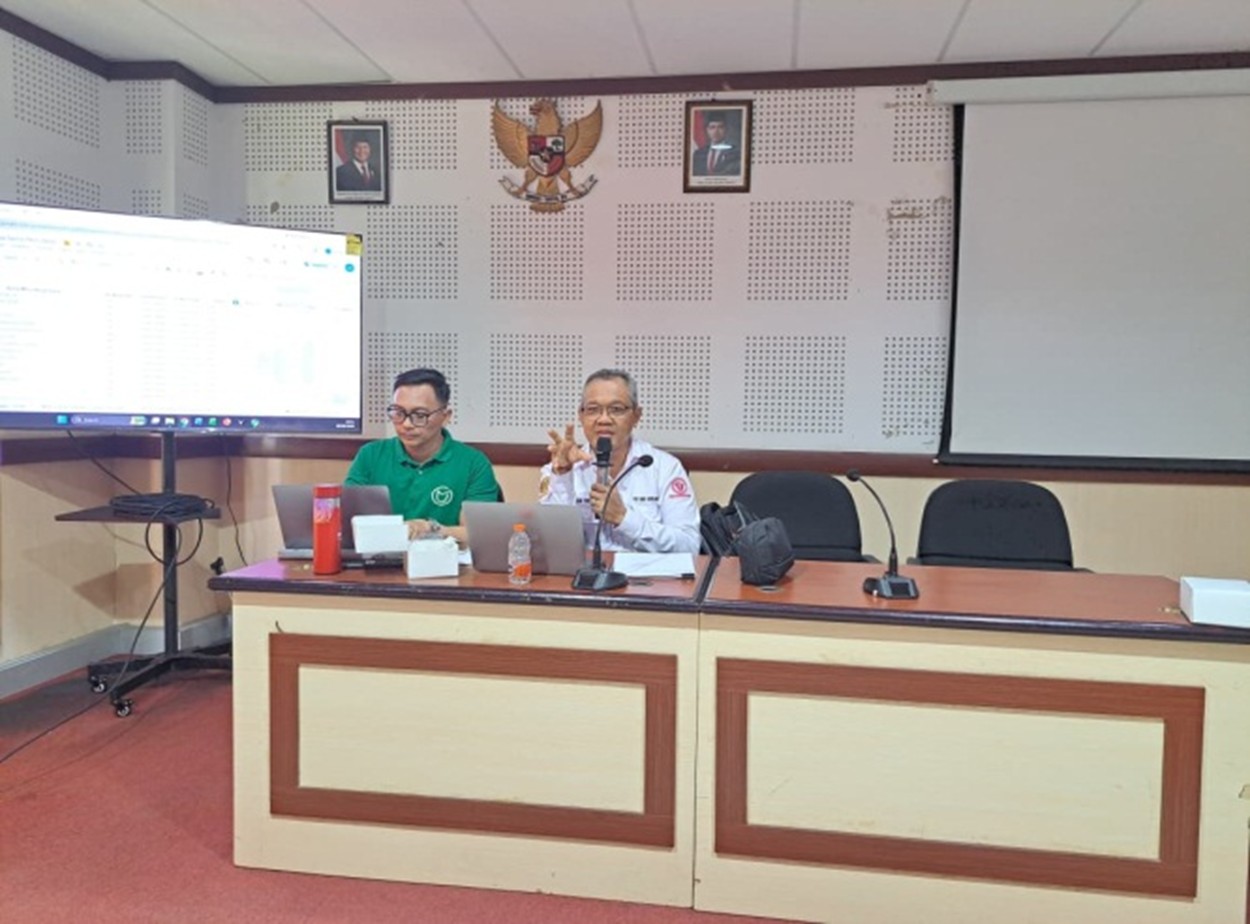
During the presentation session, Prof. Dr. I Ketut Sardiana, M.Si., explained that the Impactful Campus Program is a transformation of the Merdeka Campus Program, providing students with broader opportunities to gain learning experiences beyond their study programs. Higher education institutions play a crucial role in facilitating these activities through a structured academic credit conversion system, supported by collaboration with various partners.
He further explained that FVM Udayana already has numerous off-campus learning activities that have the potential to be integrated into the Impactful Campus framework. Therefore, it is necessary to establish clear mechanisms covering program design, activity implementation, reporting, and the evaluation of student learning outcomes.
Meanwhile, the Head of the Undergraduate Veterinary Medicine Study Program, Dr. I Made Wandia, S.KH., M.Si., presented two main forms of Impactful Campus activities that will be further developed: the Independent Internship Program and the Village Development Program. The Independent Internship Program provides students with opportunities to gain direct professional experience in the workplace, while the Village Development Program is designed to encourage students to contribute to solving community challenges that align with various SDG themes.
The workshop also served as a forum for discussion among faculty leaders, lecturers, and students regarding various aspects of program implementation, including course credit conversion, implementation mechanisms, and outreach strategies to ensure broader student participation. The feedback and suggestions provided during the workshop are expected to enhance the guidelines currently being developed, making their implementation more effective and capable of generating tangible benefits for both students and the wider community.
This workshop on developing the Impactful Campus Guidelines represents a strategic step by the Faculty of Veterinary Medicine, Udayana University, in supporting the achievement of the SDGs, particularly SDG 4 (Quality Education) through the strengthening of experiential learning and the enhancement of student competencies. The Independent Internship and Village Development Programs also contribute to SDG 8 (Decent Work and Economic Growth) by equipping students with skills relevant to workforce demands, as well as SDG 11 (Sustainable Cities and Communities) through student involvement in village development and community empowerment initiatives. Furthermore, the collaboration established among higher education institutions, partners, and communities reflects the implementation of SDG 17 (Partnerships for the Goals) in advancing impactful and sustainable higher education.
Through the development of these guidelines, the Faculty of Veterinary Medicine, Udayana University, demonstrates its commitment to creating a learning system that is more adaptive, relevant, and impactful. The Impactful Campus Program is expected not only to enhance graduate competencies but also to strengthen the role of higher education institutions in addressing various development challenges faced by society.
Gallery

UDAYANA UNIVERSITY