 ENG
ENG
 INA
INA
FVM Unud Strengthens DVM Practical Learning through the Development of Activities in Sobangan
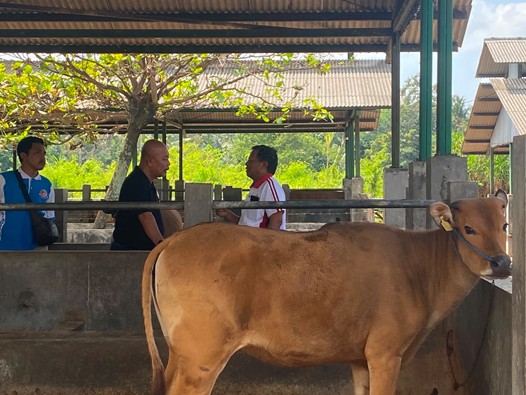
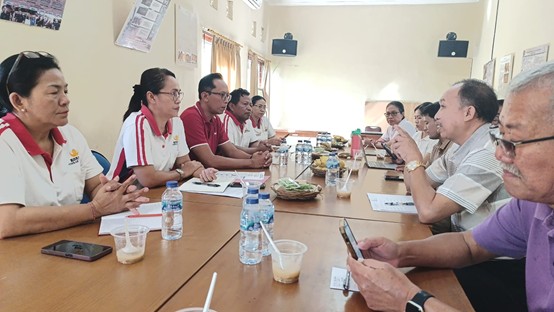
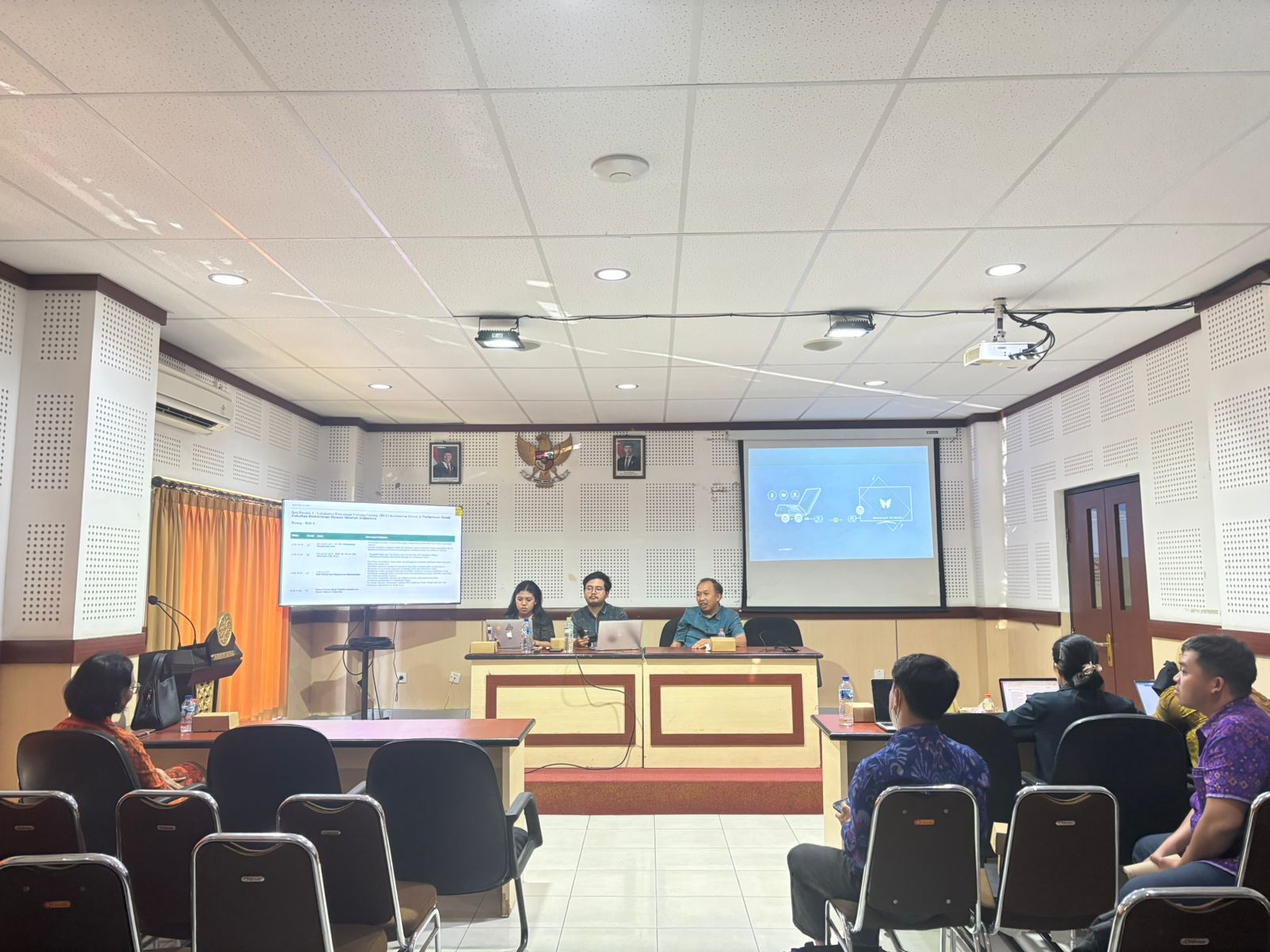
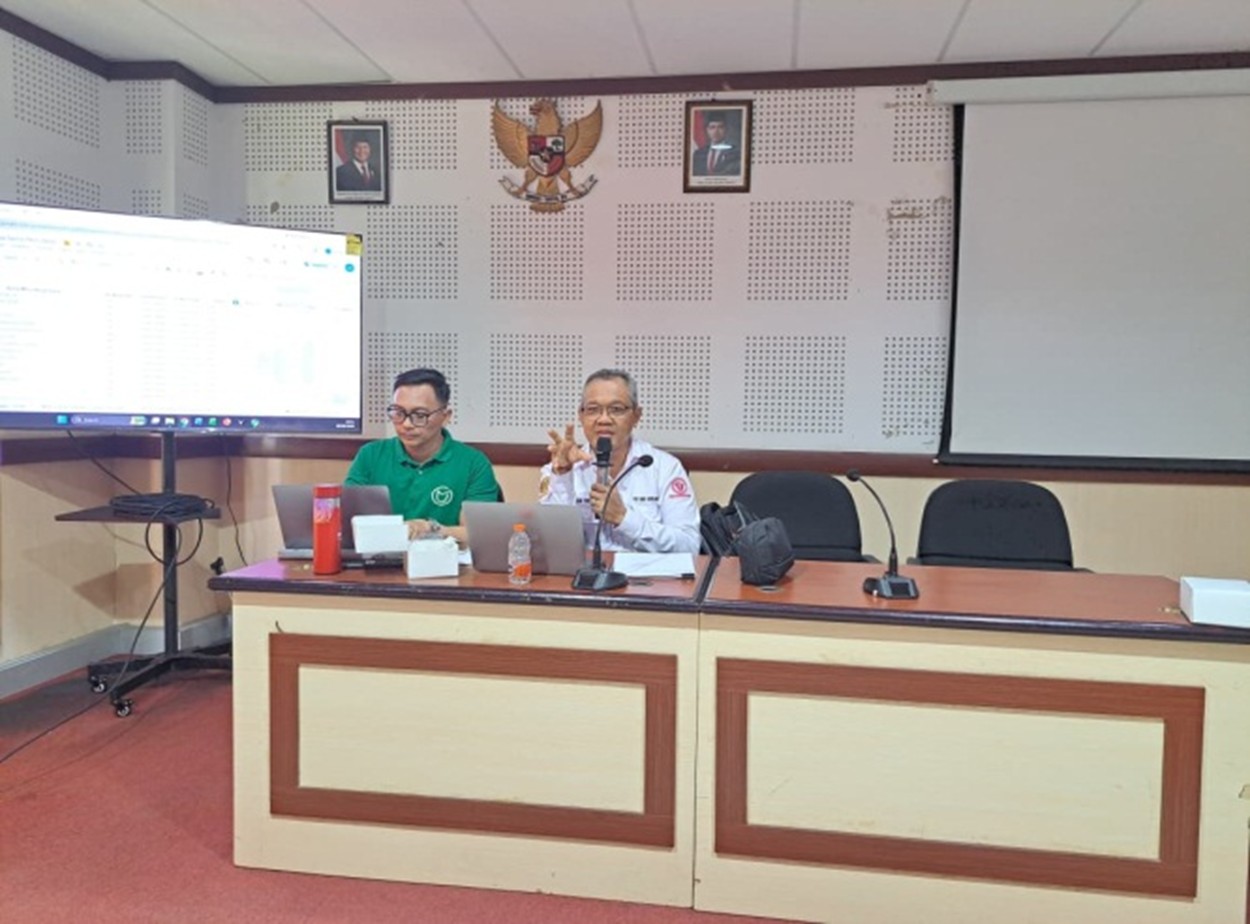
Badung — The Faculty of Veterinary Medicine, Udayana University (FVM Unud), is strengthening the quality of learning for students in the Doctor of Veterinary Medicine (DVM) Program through the development of practice-based learning activities in Sobangan. The effort was discussed during a meeting between FVM Unud and UPTD. Sentra Pelestarian Sapi Bali Sobangan on August 21, 2026, with the main agenda focusing on coordinating DVM activities and organizing student activities across several clinical rotations.
The meeting was attended by the Vice Dean I, the DVM Program Coordinator, and representatives from the Internal Medicine, Hospital Medicine, Reproduction, and Field Work Practice (PKL) rotations. The discussion covered several key aspects, including activity planning, curriculum, student supervision, case documentation, and the achievement of learning outcomes.
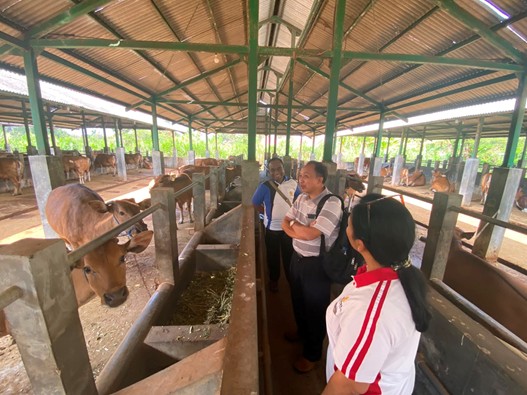
In its implementation, student activities in Sobangan are being organized to ensure a clear learning process. The Sobangan team has prepared a Standard Operating Procedure for receiving students for learning activities. Further planning is needed through the development of daily schedules so that students have clear directions and measurable learning targets throughout their activities.
In the Internal Medicine rotation, students are encouraged to gain direct experience in handling cases. They may also take cases independently while maintaining appropriate supervision and systematic documentation. One of the planned initiatives is the development of an ambulatory record and case data sheets to ensure that patient histories and treatment records are properly documented and can serve as a reference for subsequent groups of students.
The activities are also designed to strengthen students’ basic clinical skills, including physical examinations, animal handling and restraint, as well as the achievement of measurable work targets. This approach provides students with opportunities to develop their clinical abilities while building professionalism in managing cases in the field.
Meanwhile, activities in the Reproduction rotation include estrus detection and reproductive data collection. Students will also gain direct exposure to reproductive examinations. The Field Work Practice activities are designed to allow students to assist with various operational activities at the UPTD, including those involving large animals, small animals, and poultry.
Learning aspects related to veterinary hospital practice also received attention during the meeting. Activities in this area are intended to provide students with experience in developing professionalism, hands-on patient care skills, communication skills, as well as an understanding of clinical and hospital management. The meeting also discussed the potential development of learning activities related to patient management through a house-call service concept.
In addition to strengthening students’ learning experiences, the development of activities in Sobangan is expected to contribute to strengthening the potential of the livestock sector through the management of high-quality cattle. Therefore, the organization of student numbers, supervision systems, and activity planning are important aspects in ensuring that the learning process runs effectively and remains aligned with activities in the field.
The strengthening of practice-based learning is part of FVM Unud’s commitment to supporting the Sustainable Development Goals (SDGs), particularly SDGs 4: Quality Education. Through more structured and practice-oriented learning experiences, students are expected not only to understand academic concepts but also to develop the skills and professionalism required as future veterinarians.
Activities related to animal health, reproduction, and livestock resource management are also relevant to efforts to support sustainable development in the food and environmental sectors. By strengthening field-based learning, FVM Unud continues to prepare competent graduates who can contribute to animal health, community well-being, and the livestock sector.
Gallery
UDAYANA UNIVERSITY