 ENG
ENG
 INA
INA
FVM Udayana Strengthens Professional Competencies of Cohort 29 Veterinary Professional Program Students Through Orientation Program

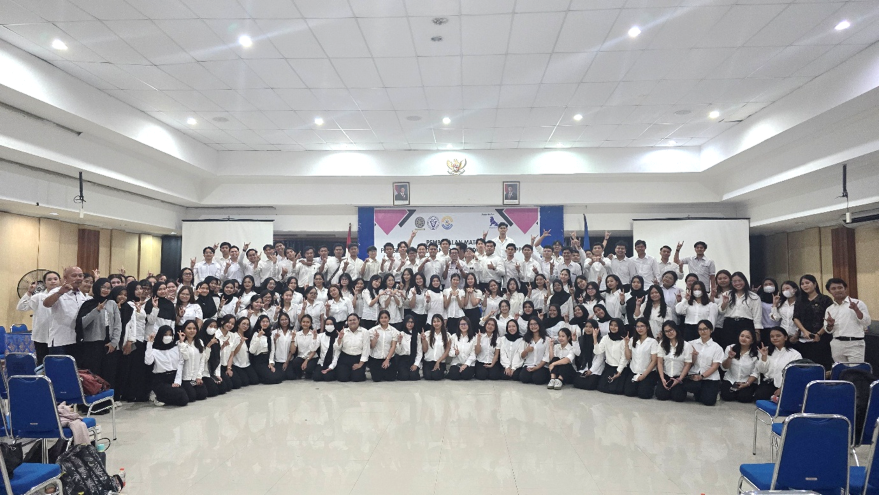
Denpasar – The Faculty of Veterinary Medicine (FVM), Udayana University, held an orientation program for Cohort 29 students of the Doctor Veterinary Medicine (DVM) Program on Monday (August 3, 2026) at the Nusantara Hall, Agrocomplex Building, Udayana University. The program marked the beginning of the students’ professional education, which focuses on developing clinical competence, laboratory skills, veterinary public health expertise, and professional ethics. Through this orientation, FVM Udayana also supports the achievement of Sustainable Development Goal (SDG) 4: Quality Education by preparing competent graduates who are ready to contribute to animal health and public health.
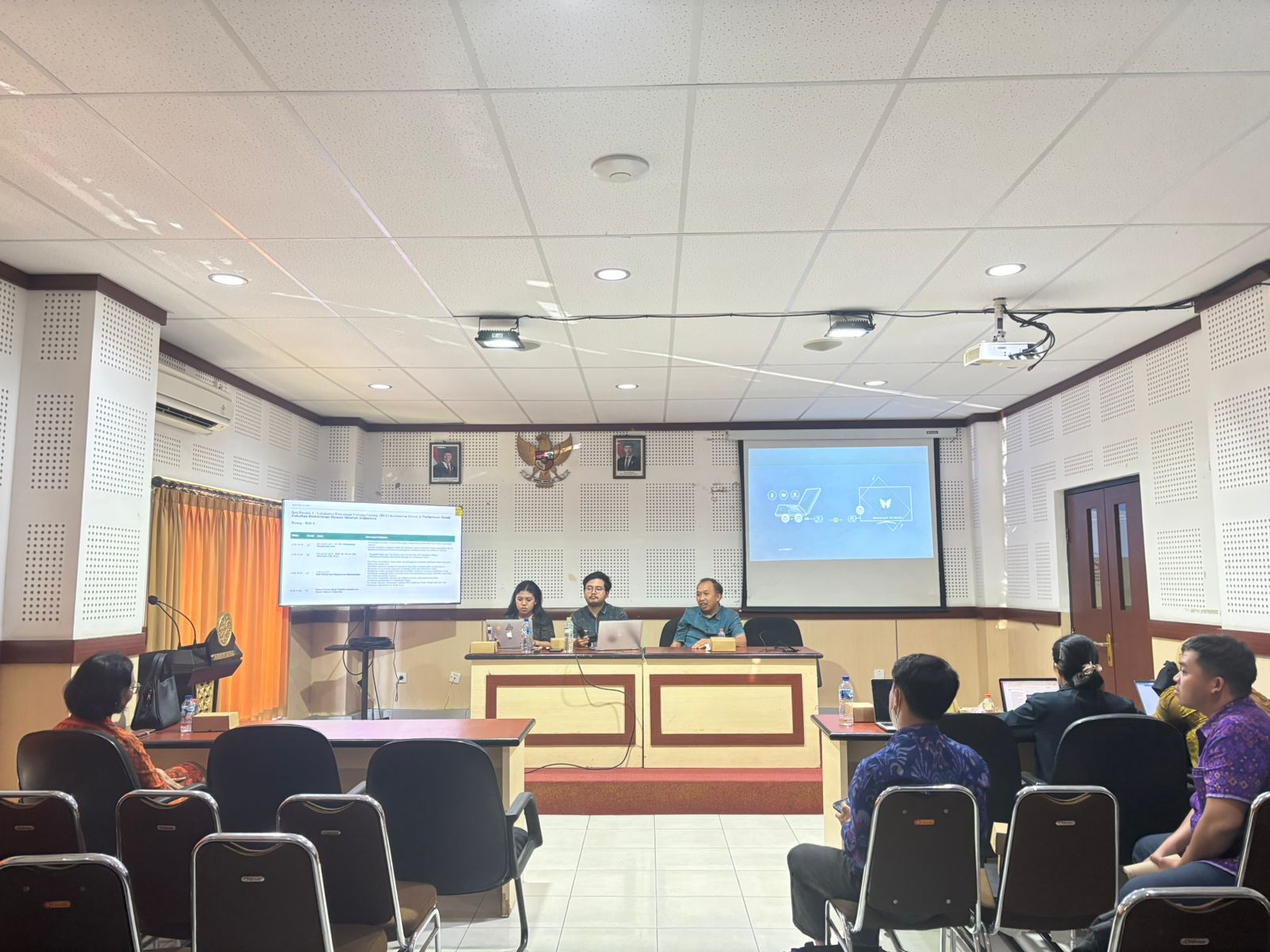
The event commenced with an opening prayer, the singing of the Indonesian national anthem, Indonesia Raya, followed by welcoming remarks from the Dean of the Faculty of Veterinary Medicine, who officially opened the orientation program for Cohort 29. The students then received presentations from industry practitioners, academics, and coordinators of the professional training blocks who will guide them throughout their clinical rotations.
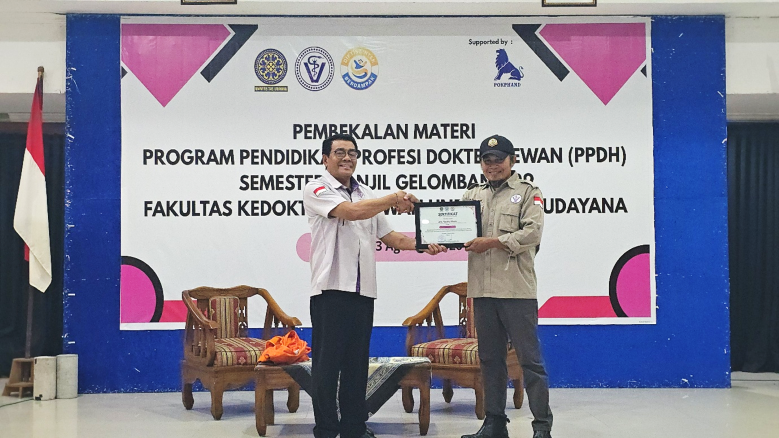
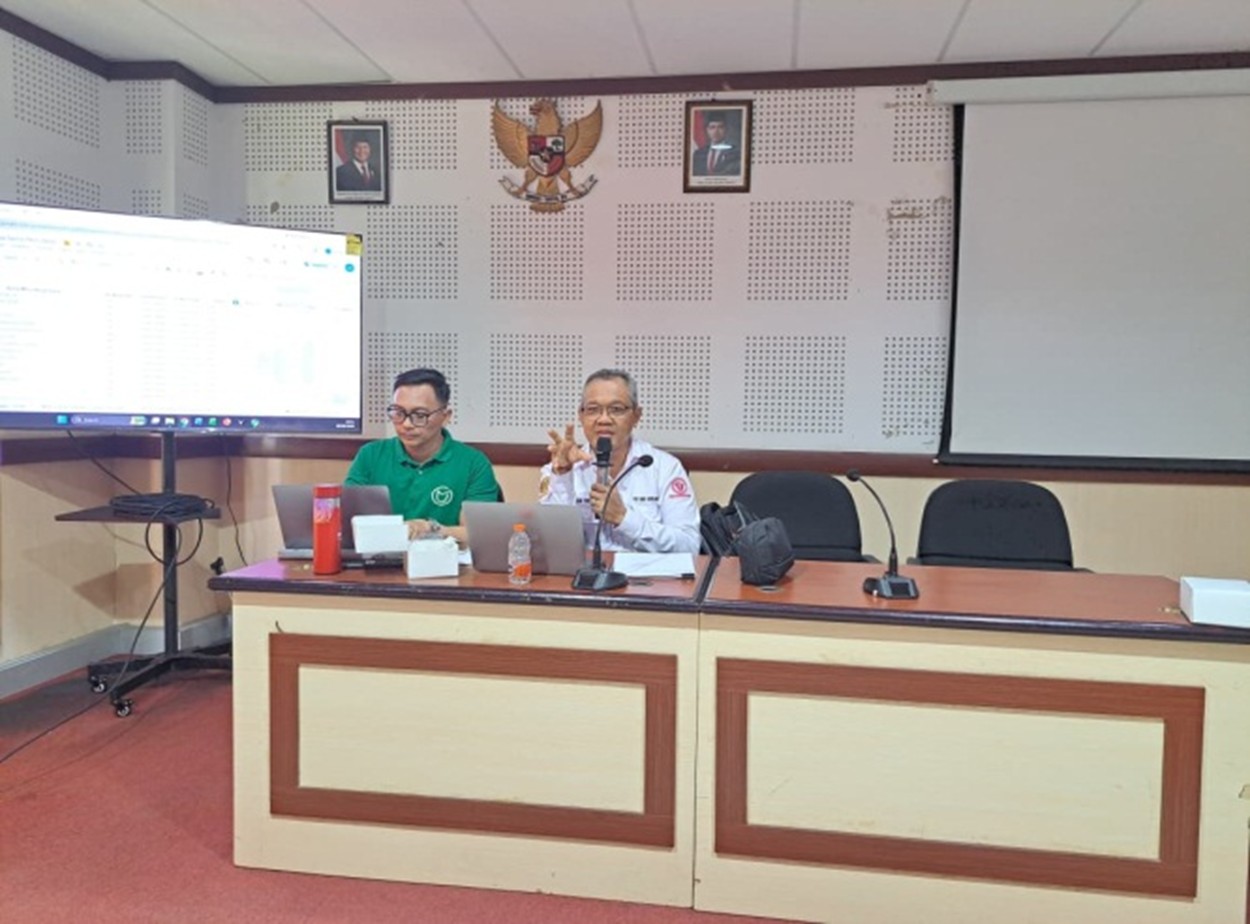
The first session was delivered by drh. Nasib Karo Karo, M.M., representing PT Charoen Pokphand Indonesia. He discussed the current development of Indonesia’s poultry industry and highlighted the wide range of career opportunities available for veterinarians. He emphasized that the growing demand for animal-derived food products must be accompanied by the implementation of food safety principles and high production standards. According to him, veterinarians play important roles across various sectors, including industry, government institutions, food safety, research, and private practice. He also encouraged students to continuously improve their competencies, adapt to diverse working environments, and prepare themselves for the challenges of the veterinary profession.
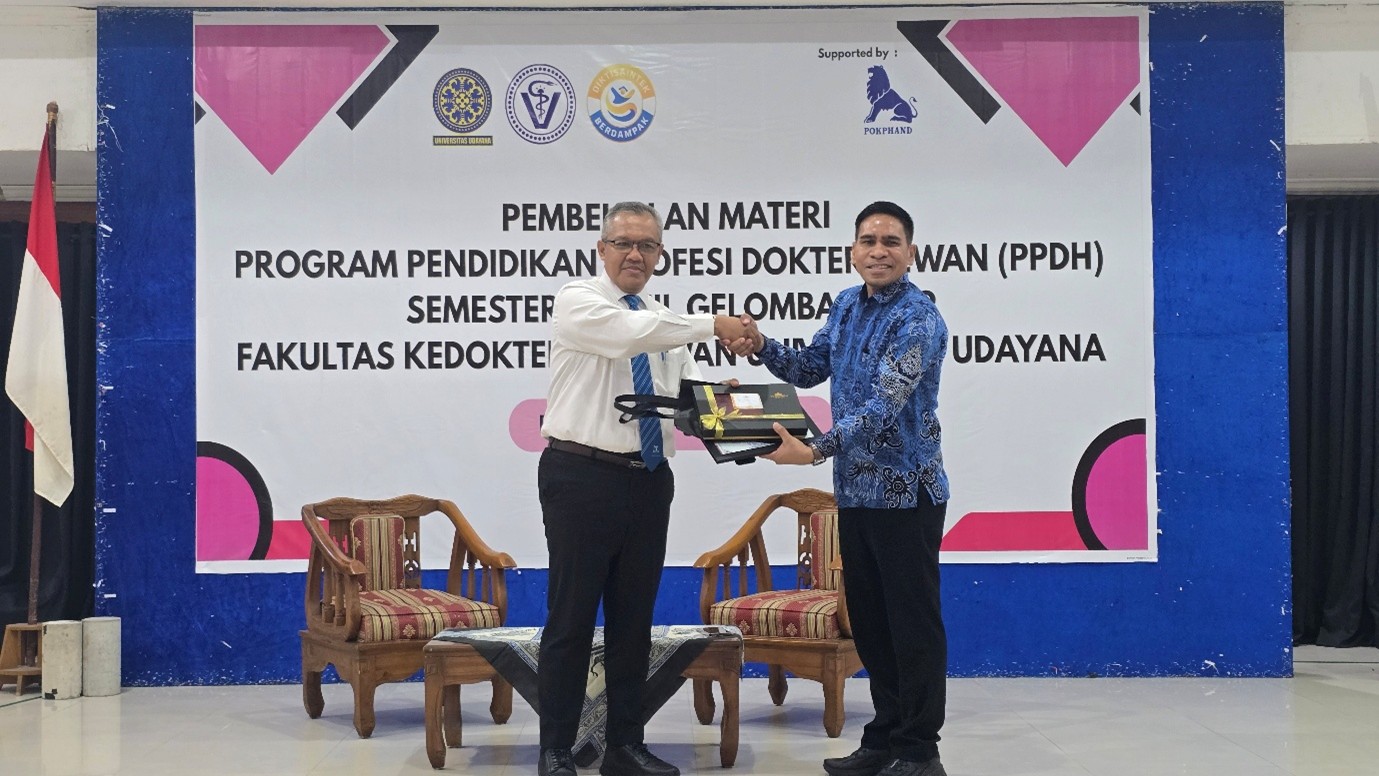
The second presentation was delivered by drh. Taufik Mukti, Owner of PT Singatua Vet Care. He encouraged students to adopt the APIK learning principle (Observe, Understand, Investigate, and Conclude) throughout their DVM Program. In addition to mastering technical competencies, he emphasized the importance of developing soft skills to become professional, ethical, and culturally aware veterinarians. He noted that the veterinary profession continues to evolve, making continuous learning and adaptability essential qualities for every future veterinarian.
The Coordinator of the Doctor Veterinary Medicine Program, Dr. drh. I Wayan Sudira, M.Si., then presented an overview of the professional education system implemented at FVM Udayana. He explained that students will undergo a comprehensive educational process consisting of orientation, clinical rotations across various professional blocks, the Final Veterinary Professional Examination (UASDH), and the National Competency Examination for Veterinary Professional Students (UKMPPDH). The program is designed to be completed within a minimum of 1.5 years and a maximum of 3 years. Throughout the program, students are required to successfully complete all clinical rotation blocks, participate in community service activities, and fulfill all academic requirements before taking the UKMPPDH as the final requirement for graduation.
The orientation continued with technical presentations from the coordinators of each DVM training block, including Veterinary Reproduction, Veterinary Public Health, Internal Medicine, Laboratory Diagnostic Clinical Rotation, Veterinary Therapeutics and Prescription, Veterinary Teaching Hospital, and Field Work Practice. During these sessions, students were introduced to the implementation of clinical rotations, learning plans, course materials, and the academic regulations governing each training block.
Through this orientation program, students gained a comprehensive understanding of the professional education they are about to undertake, including the expected competencies, learning system, and academic responsibilities throughout the DVM program. It is expected that the participants will be well prepared to complete every stage of their professional education, meet the established competency standards, and graduate as competent veterinarians ready to serve society and contribute to the advancement of animal health.
Gallery
UDAYANA UNIVERSITY