 ENG
ENG
 INA
INA
FVM Udayana Holds Jumat Minum The (JMT) Featuring an Outcome-Based Education Curriculum and Semester Learning Plan Workshop
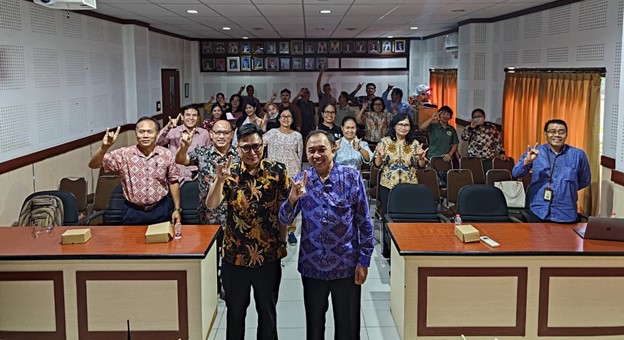
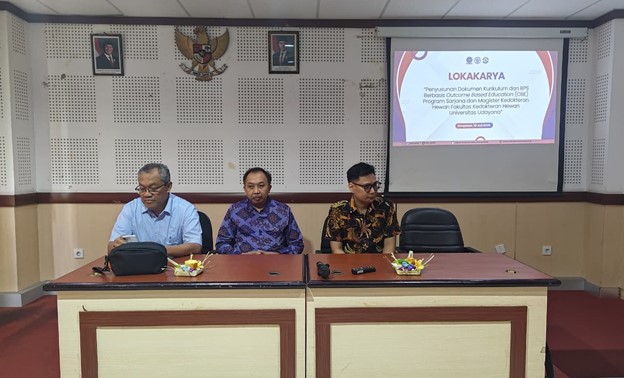
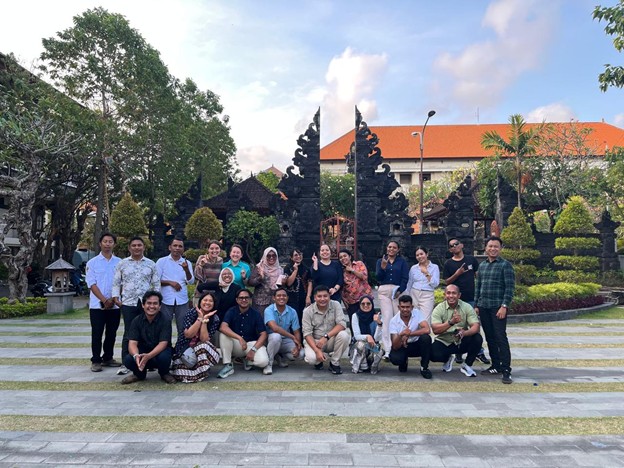
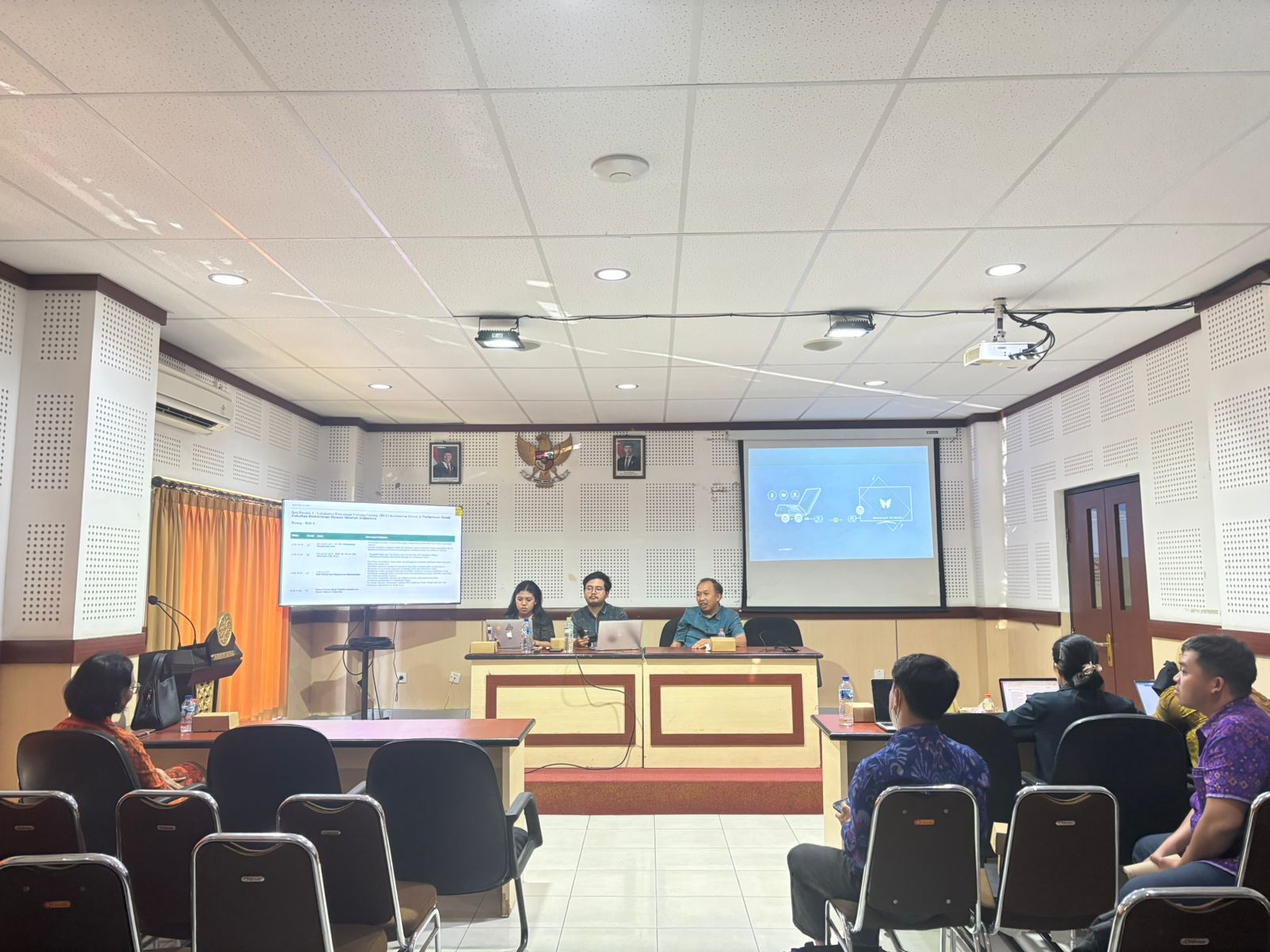
Denpasar, July 10, 2026 – The Faculty of Veterinary Medicine (FVM), Udayana University, once again held its regular Jumat Minum The (JMT), a routine forum designed to strengthen communication, foster collegiality, and enhance the capacity of its academic community. On this occasion, the gathering featured a Workshop on the Development of Curriculum Documents and Semester Learning Plans Based on Outcome-Based Education (OBE) for the Undergraduate and Master's Programs in Veterinary Medicine. The workshop took place at the Meeting Room on the First Floor of the Faculty of Veterinary Medicine Building, Udayana University, Sudirman Campus. The event reflects the Faculty's ongoing commitment to aligning its curriculum with an educational approach focused on achieving graduate learning outcomes.
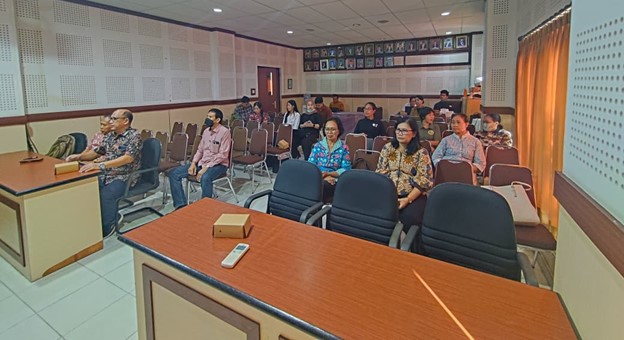
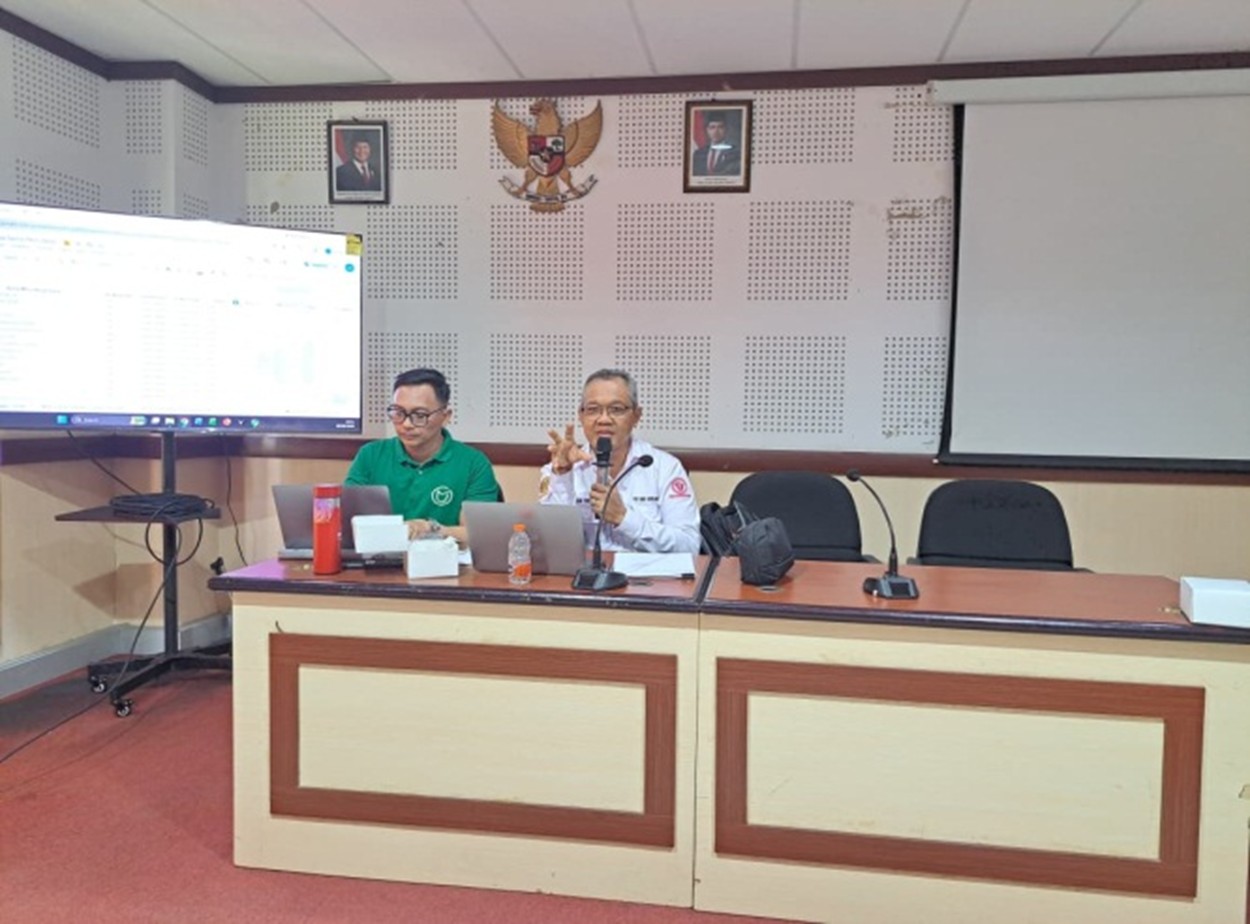
The workshop was officially opened by the Dean of the Faculty of Veterinary Medicine, Udayana University. The event featured two speakers: Dr. Ir. Duman Care Khrisna, S.T., M.T. from the Information Resources Unit (USDI) of Udayana University and Prof. Dr. drh. I Wayan Suardana, M.Si. The workshop was attended by faculty leaders, study program coordinators, lecturers, and curriculum development teams involved in preparing OBE-based curriculum documents.
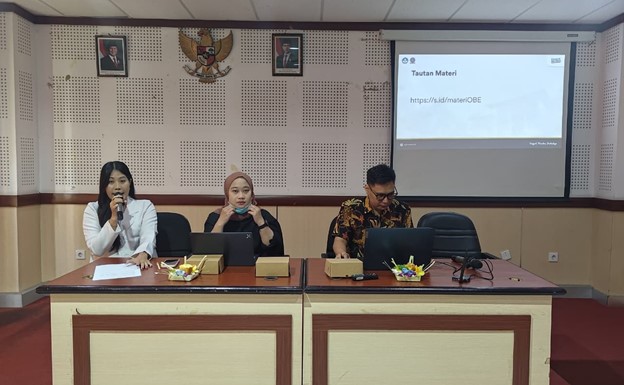
During the first session, participants received a presentation on the implementation of Outcome-Based Education (OBE) within Udayana University's SIMAK academic information system. The speaker explained the implementation process, beginning with the formulation of Program Learning Outcomes (CPL), Performance Indicators, and Course Learning Outcomes (CPMK), followed by the design of assessment systems, as well as the monitoring and evaluation of student learning achievement. The session also addressed several technical challenges encountered during data entry in SIMAK, including the mapping of CPL and CPMK and curriculum management when revisions are required.
The speakers further explained the distribution of responsibilities in implementing OBE through SIMAK. Study programs are responsible for developing and managing learning components, while lecturers are responsible for uploading Semester Learning Plans, designing learning activities, determining assessment weightings, and entering student grades. This workflow is expected to support a more systematic and well-documented evaluation of student learning outcomes.
In the following session, Prof. Dr. drh. I Wayan Suardana, M.Si. presented the development of OBE-based Semester Learning Plans, emphasizing the alignment between graduate profiles, Program Learning Outcomes, Course Learning Outcomes, learning methods, and assessment strategies. Through this approach, each course is designed to contribute directly to the achievement of graduate competencies, allowing learning outcomes to be evaluated more effectively and objectively.
In addition to discussing the development of Semester Learning Plans, the workshop also reviewed curriculum adjustments to accommodate the Merdeka Belajar Kampus Merdeka (MBKM) policy, also known as the Impactful Campus Program. The proposed revisions include adjustments to the distribution of Program Learning Outcomes across courses, the placement of undergraduate theses within the curriculum structure, the implementation of MBKM activities equivalent to 20 academic credits, and revisions to the graduation assessment process for undergraduate veterinary students. Participants also received updates on this year's MBKM implementation, which includes community development programs, industry internships, and clinical practice.
The discussion session provided an opportunity for study program coordinators to share feedback on the development of performance indicators, the distribution of Program Learning Outcomes across courses, and the importance of informing students about curriculum changes and the implementation of MBKM. These recommendations are expected to contribute to the continuous improvement of OBE implementation within the Faculty of Veterinary Medicine, Udayana University.
Through this workshop, the Faculty of Veterinary Medicine, Udayana University, reaffirmed its commitment to continuously improving its curriculum and learning processes in accordance with Outcome-Based Education principles. The implementation of OBE is expected to support a more measurable learning process, strengthen the evaluation of student achievement, and produce graduates with competencies that meet the needs of the veterinary profession and the continuing development of veterinary science.
Gallery
UDAYANA UNIVERSITY